


Introduction
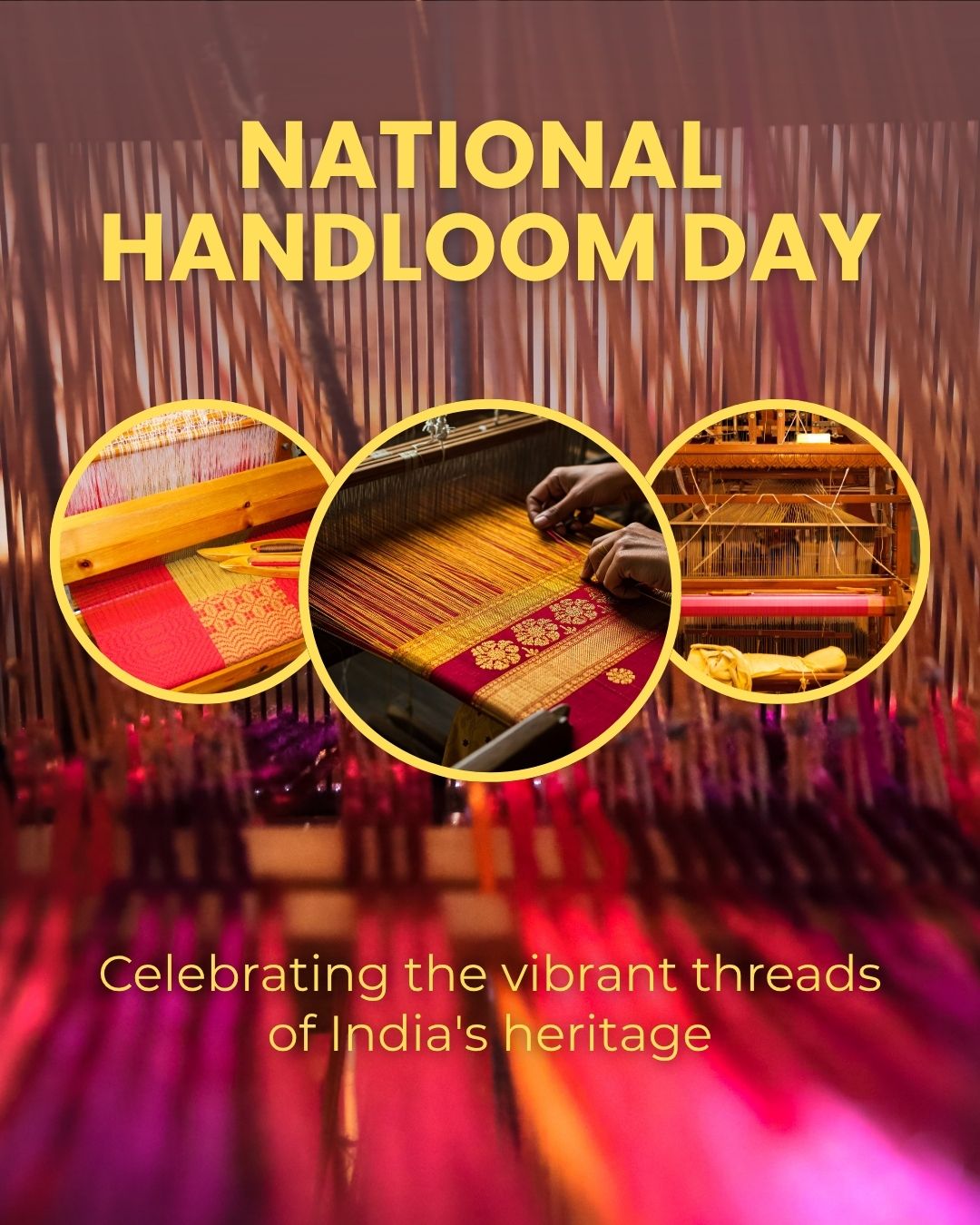
India’s handloom industry is a symbol of the country’s rich culture, craftsmanship, and tradition. Every handwoven saree, shawl, and fabric reflects the skill and dedication of artisans who have preserved this heritage for generations. To honor these weavers and promote indigenous textiles, National Handloom Day is celebrated every year across India.
National Handloom Day 2026 will be observed on Friday, 7 August 2026. The day encourages people to support local weavers, preserve traditional weaving techniques, and embrace sustainable fashion through handmade products.
In this article, you’ll learn about the National Handloom Day 2026 date, theme, history, significance, objectives, celebrations, and simple ways to support India’s handloom industry.
National Handloom Day 2026 Date
National Handloom Day 2026 will be celebrated on Friday, 7 August 2026 across India. Government organizations, educational institutions, and artisan groups will organize events to promote the value of handloom products and recognize the contribution of weavers.
National Handloom Day 2026 Theme
The official theme for the 12th National Handloom Day 2026, has not yet been announced by the Ministry of Textiles. The national event takes place at the Rashtrapati Bhavan Cultural Centre in New Delhi, led by President Droupadi Murmu.
Event Highlights
- Date: August 7, 2026
- Location: Rashtrapati Bhavan Cultural Centre (RBCC), New Delhi
- Chief Guest: President Droupadi Murmu
- Key Awards: Presentation of the Sant Kabir Handloom Awards and National Handloom Awards for 2025
- Special Releases: Four commemorative postage stamps and new publications celebrating India’s weaving traditions.
History of National Handloom Day
National Handloom Day is observed annually to honor weavers, commemorate the Swadeshi Movement, and support local crafts. It was first declared in July 2015 by the Government of India.
Key Historical Milestones
- August 7, 1905: The Swadeshi Movement was launched at the Calcutta Town Hall. It urged people to boycott foreign goods and use Indian-made products, giving handlooms a major role in the fight for freedom.
- August 7, 2015: The first official National Handloom Day was launched by Prime Minister Narendra Modi in Chennai to bring focus to the economic importance of the weaving community.
Why National Handloom Day is Celebrated
National Handloom Day is celebrated to honor the dedication and craftsmanship of India’s handloom weavers. It also highlights the importance of preserving traditional weaving techniques that have been passed down through generations.
The day encourages people to buy authentic handloom products, support local artisans, and promote sustainable fashion. It also raises awareness about the role of the handloom sector in providing employment, especially in rural areas, while protecting India’s rich textile heritage.
Importance of Handloom in India
India has one of the world’s largest and most diverse handloom industries. Every region is known for its unique weaving style, making handloom an important part of the country’s cultural identity.
Some key reasons why handloom is important include:
- Preserves India’s traditional weaving heritage.
- Provides employment to millions of weavers and artisans.
- Supports rural livelihoods and women empowerment.
- Produces eco-friendly and sustainable fabrics.
- Promotes handmade, high-quality textile products.
- Strengthens India’s economy through domestic and international markets.
- Encourages the “Vocal for Local” initiative.
Famous Handloom Traditions of India
India has a rich and ancient handloom heritage across its states, featuring famous textiles like Banarasi silk from Uttar Pradesh, Kanjeevaram from Tamil Nadu, Jamdani from West Bengal, and Patola from Gujarat. These unique crafts showcase local skills, natural fibers, and traditional patterns passed down for generations.
Iconic Handloom Traditions
- Banarasi Sarees (Uttar Pradesh): “Varanasi’s 400-year silk brocade heritage.” Known for fine gold and silver zari work.
- Kanjeevaram Sarees (Tamil Nadu): “South India’s bridal silk.”, famous for strong mulberry silk and contrasting borders.
- Jamdani (West Bengal): “UNESCO recognised Jamdani weaving as an Intangible Cultural Heritage of Humanity in 2013.” Features sheer cotton muslin with raised floral or geometric motifs.
- Patola (Gujarat): “The geometric patterns and flaming colors are distinctive characteristics of the Patola.” Crafted using a very complex double ikat dying and weaving method.
- Chanderi and Maheshwari (Madhya Pradesh): Light and airy silk-cotton blends “Legacy of 18th-century queen Ahilyabai Holkar.”
- Local Bihar Weaves: Regional specialties include “Bhagalpur Silk (Tussar Silk), Bawan Buti Weaving, Sujani Embroidery Textiles.”
These regional handlooms showcase India’s incredible textile diversity and keep centuries-old weaving traditions alive.
Benefits of Choosing Handloom Products
Buying handloom products is more than a fashion choice—it is a way to support artisans and preserve traditional craftsmanship.
Some key benefits include:
- Made using traditional hand-weaving techniques.
- Eco-friendly with low environmental impact.
- Comfortable, breathable, and skin-friendly fabrics.
- Durable and long-lasting quality.
- Every piece is unique and handcrafted.
- Supports local artisans and rural livelihoods.
- Encourages sustainable and ethical fashion.
How National Handloom Day is Celebrated
National Handloom Day is celebrated across India through various events that recognize weavers and promote handloom products.
Common celebrations include:
- Handloom exhibitions and textile fairs.
- Fashion shows featuring handwoven fabrics.
- Awards honoring outstanding weavers.
- Workshops and live weaving demonstrations.
- Awareness campaigns in schools and colleges.
- Special discounts and online handloom promotions.
- Social media campaigns encouraging people to wear handloom.
- Cultural programs showcasing India’s textile heritage.
National Handloom Day 2026 Celebration Ideas
Celebrating National Handloom Day is a meaningful way to support India’s talented weavers and preserve traditional craftsmanship. Here are some simple ways to participate:
- Wear handloom sarees, kurtas, or other traditional outfits.
- Buy authentic handloom products from local artisans.
- Visit handloom exhibitions and craft fairs.
- Share awareness posts on social media using relevant hashtags.
- Encourage friends and family to choose handmade textiles.
- Organize essay, drawing, or quiz competitions in schools.
- Gift handwoven fabrics on special occasions.
- Learn about India’s regional weaving traditions and support local brands.
10 Interesting Facts About Indian Handloom
India’s handloom industry has a long and fascinating history. Here are some interesting facts:
- Huge Employment: As noted by Financial Express. “In India, after agriculture, handloom is one of the largest employment providers.”
- Women Power: Over 72% of all handloom workers in the country are women.
- National Day: India celebrates National Handloom Day on August 7 every year.
- Freedom Symbol: Mahatma Gandhi made the spinning wheel and hand-spun cloth central to the Swadeshi independence movement.
- Ancient Art: Handloom weaving in India dates back thousands of years.
- The Handloom Mark: The government uses this official label to prove a fabric is genuinely handwoven.
- Global Fame In History: By the 17th century, India produced 25% of the world’s textiles.
- Slow Craft: A skilled weaver makes only 6 to 8 metres of plain cotton per day, and much less for complex patterns.
- Roman Connection: Fine cotton for Roman senators once came from Coimbatore, India.
- Diverse Varieties: Iconic weaves include Banarasi silk, Jamdani muslin, and Kanchipuram silk.
Challenges Faced by Handloom Weavers
Despite its cultural importance, India’s handloom sector faces several challenges:
- Competition from cheaper machine-made fabrics.
- Low and irregular income for weavers.
- Rising costs of raw materials.
- Limited access to larger markets.
- Declining interest among younger generations in traditional weaving.
- Lack of modern technology and digital marketing opportunities.
- Changing fashion trends and consumer preferences.
Addressing these challenges is essential to ensure the growth and sustainability of the handloom industry.
Government Initiatives Supporting Handloom
The Government of India has introduced several schemes to strengthen the handloom sector and improve the lives of weavers.
Some major initiatives include:
- National Handloom Development Programme (NHDP) to support infrastructure and skill development.
- India Handloom Brand to promote authentic, high-quality handloom products.
- Yarn Supply Scheme to provide raw materials at affordable prices.
- Marketing assistance through exhibitions and trade fairs.
- Training and skill development programs for weavers.
Inspirational National Handloom Day 2026 Quotes
- “Every handwoven thread tells a story of tradition, skill, and dedication.”
- “Handloom is not just fabric—it’s India’s living heritage.”
- “Support handloom, support the hands that keep our traditions alive.”
- “Every weave reflects the passion of an artisan and the beauty of Indian culture.”
- “Choose handloom today to preserve history for tomorrow.”
- “Traditional craftsmanship never goes out of style.”
- “Wear handmade with pride and celebrate India’s rich textile legacy.”
- “A handloom purchase is an investment in culture, sustainability, and livelihoods.”
National Handloom Day 2026 Wishes
- Happy National Handloom Day 2026! Let’s celebrate the beauty of handmade textiles and support our talented weavers.
- Wishing everyone a joyful National Handloom Day. Choose handloom and preserve India’s rich heritage.
- Celebrate tradition, craftsmanship, and sustainability this National Handloom Day.
- Let’s honor the skilled artisans whose creativity keeps India’s weaving traditions alive.
- Wear handloom with pride and support local artisans. Happy National Handloom Day!
- May this National Handloom Day inspire us to value handmade products and protect our cultural heritage.
- Every handloom purchase strengthens the dreams of a weaver. Happy National Handloom Day!
- Together, let’s promote sustainable fashion by choosing authentic handwoven fabrics.
Frequently Asked Questions (FAQs)
1. When is National Handloom Day 2026 celebrated?
National Handloom Day 2026 will be observed on Friday, 7 August 2026.
2. Why is National Handloom Day celebrated?
It is celebrated to honor handloom weavers, preserve India’s textile heritage, and promote handmade products.
3. What is the theme of National Handloom Day 2026?
The official theme for the 12th National Handloom Day 2026, has not yet been announced by the Ministry of Textiles.
4. Why was 7 August chosen for National Handloom Day?
The date commemorates the Swadeshi Movement, launched on 7 August 1905, which encouraged the use of locally made products.
5. Why is handloom important in India?
Handloom preserves traditional craftsmanship, provides employment to millions, supports rural communities, and promotes sustainable fashion.
6. How can I support handloom weavers?
You can buy authentic handloom products, promote local artisans, visit handloom exhibitions, and spread awareness about handmade textiles.
7. What is the difference between handloom and power loom?
Handloom fabrics are woven manually by skilled artisans, while power loom fabrics are produced using electrically operated machines.
Conclusion
National Handloom Day 2026 is a celebration of India’s rich weaving heritage and the skilled artisans who keep this tradition alive. By choosing handloom products, we not only preserve centuries-old craftsmanship but also support millions of weavers and promote sustainable fashion.
This 7 August, celebrate National Handloom Day by wearing handwoven fabrics, supporting local artisans, and encouraging others to value India’s timeless textile traditions. Every handloom purchase helps protect a legacy woven with culture, creativity, and pride.