


Introduction
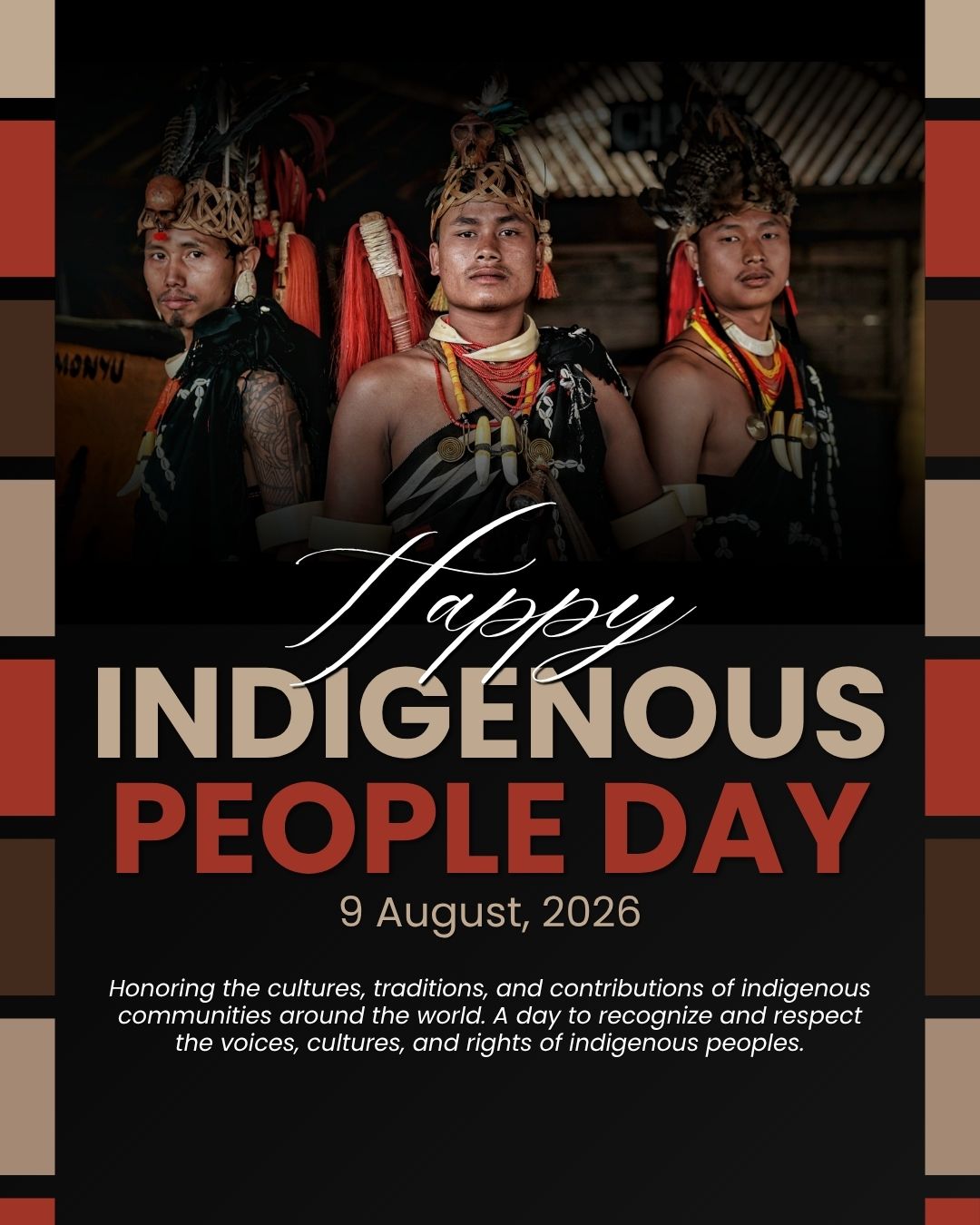
The International Day of the World’s Indigenous Peoples 2026 will be observed on Sunday, 9 August 2026. Established by the United Nations (UN), this annual observance celebrates the cultures, traditions, and contributions of Indigenous communities while raising awareness about their rights and the challenges they face.
Also Read: National Handloom Day 2026: Theme, History, Importance, Celebrations, Quotes, Wishes & Facts
Indigenous Peoples have protected nature, preserved languages, and passed down valuable knowledge for generations. However, many communities continue to experience discrimination, land disputes, climate change, and limited access to education and healthcare.
This day encourages everyone to respect Indigenous cultures, support their rights, and help preserve their heritage for future generations. In this article, you’ll learn about its history, significance, theme, celebrations, and ways to support Indigenous communities.
What Is the International Day of the World’s Indigenous Peoples?
The International Day of the World’s Indigenous Peoples is observed every year on 9 August to recognize the rights, cultures, and contributions of Indigenous Peoples around the world.
More than 476 million Indigenous people live across over 90 countries, representing around 5,000 distinct Indigenous groups. They play a vital role in protecting biodiversity, preserving traditional knowledge, and promoting sustainable living.
When Is International Day of the World’s Indigenous Peoples 2026?
The International Day of the World’s Indigenous Peoples 2026 will be celebrated on Sunday, 9 August 2026.
The date marks the first meeting of the UN Working Group on Indigenous Populations, held on 9 August 1982. Every year, the day promotes awareness of Indigenous rights through cultural programs, educational events, exhibitions, seminars, and community activities worldwide.
History of the International Day of the World’s Indigenous Peoples
The International Day of the World’s Indigenous Peoples was established by the United Nations General Assembly in December 1994 via resolution 49/214. The date honors the first 1982 meeting of the UN Working Group on Indigenous Populations.
Key Milestones
- 1982: The UN Working Group on Indigenous Populations holds its first meeting in Geneva on August 9, which later inspired the date for the annual day.
- 1993: Designated by the UN as the International Year of the World’s Indigenous Peoples.
- 1994: The United Nations officially proclaims the annual observance on December 23, 1994, through Resolution 49/214.
- 1995–2004: Marks the First International Decade of the World’s Indigenous Peoples, during which the day was first widely celebrated.
- 2005–2015: Proclaimed as the Second International Decade to further promote action and human dignity for indigenous groups worldwide.
International Day of the World’s Indigenous Peoples 2026 Theme
The theme for the International Day of the World’s Indigenous Peoples 2026 is “Honouring Indigenous Midwives: Safeguarding Life and Well-being.” The official virtual observance takes place on Monday, August 10, 2026, shifting from the traditional August 9 date because it falls on a Sunday.
Event Details
- Date: Monday, August 10, 2026
- Time: 08:30–10:30 AM EDT (New York time)
- Location: Online virtual event hosted by the United Nations Department of Economic and Social Affairs.
Why Indigenous Peoples Matter
Indigenous Peoples play a vital role in protecting the planet’s cultural and natural heritage. Their traditional knowledge, developed over generations, helps conserve forests, rivers, wildlife, and ecosystems while promoting sustainable ways of living.
Many Indigenous communities are skilled in natural resource management, traditional farming, and medicinal practices. Their deep connection with nature has contributed to biodiversity conservation and climate resilience in many parts of the world.
Indigenous cultures also enrich global diversity through unique languages, art, music, festivals, crafts, and storytelling traditions. By protecting Indigenous heritage, we preserve valuable knowledge and cultural identities that benefit future generations.
Importance of the International Day of the World’s Indigenous Peoples
The International Day of the World’s Indigenous Peoples reminds the world to respect the rights and dignity of Indigenous communities while recognizing their contributions to society.
This observance is important because it:
- Promotes awareness of Indigenous rights.
- Encourages equality and social inclusion.
- Preserves Indigenous languages and traditions.
- Celebrates cultural diversity and heritage.
- Highlights challenges faced by Indigenous communities.
- Supports environmental conservation through traditional knowledge.
- Inspires governments and individuals to protect Indigenous cultures.
Challenges Faced by Indigenous Peoples
Despite their rich cultural heritage and valuable contributions, many Indigenous communities continue to face serious challenges that affect their daily lives and future.
Some of the major challenges include:
- Loss of ancestral lands due to development and deforestation.
- Discrimination and social exclusion in many parts of the world.
- Limited access to quality education and healthcare.
- Poverty and unemployment, especially in remote areas.
- Climate change, which threatens traditional livelihoods and natural resources.
- Loss of Indigenous languages and cultural traditions as younger generations adopt modern lifestyles.
- Limited representation in political and decision-making processes.
How Is International Day of the World’s Indigenous Peoples Celebrated?
The International Day of the World’s Indigenous Peoples is observed across the globe through events that celebrate Indigenous cultures and raise awareness about their rights.
Common celebrations include:
- Cultural festivals featuring traditional music and dance.
- Art and craft exhibitions by Indigenous artists.
- Educational seminars, workshops, and panel discussions.
- School activities that teach students about Indigenous history and traditions.
- Storytelling sessions highlighting Indigenous heritage.
- Social media campaigns promoting awareness and respect.
- Community gatherings and cultural performances.
- UN events and discussions on Indigenous rights and sustainable development.
10 Interesting Facts About Indigenous Peoples
Here are some fascinating facts about Indigenous Peoples:
- Global Population: As noted by the United Nations, “there are over 476 million indigenous people living in 90 countries across the world.”
- Diverse Groups: There are more than 5,000 distinct Indigenous groups globally, each possessing unique cultures, governance systems, and traditions.
- Biodiversity Guardians: Indigenous lands hold an estimated 80 percent of the planet’s remaining biodiversity, managed through centuries-old ecological knowledge.
- Language Diversity: They speak a large share of the world’s 7,000 distinct languages, though at least 40 percent of these tongues are now endangered.
- Extreme Poverty: According to the International Work Group for Indigenous Affairs, “indigenous peoples are 5% of the world’s population but account for 15% of the world’s extreme poor.”
- Informal Economy: More than 86 percent of Indigenous people work in the informal economy, often lacking proper social security or safety nets.
- Life Expectancy Gap: The life expectancy for Indigenous communities can be up to 20 years lower than that of non-Indigenous populations.
- Education Deficit: Nearly half of all employed Indigenous adults have no formal education background, a disparity that disproportionately impacts women.
- Land Connection: Indigenous identity is deeply rooted in a spiritual and physical relationship with traditional territories prior to modern colonization.
- Global Recognition: The international community celebrates the rights, cultures, and contributions of these groups annually on August 9, the International Day of the World’s Indigenous Peoples.
Inspirational International Day of the World’s Indigenous Peoples 2026 Quotes
“Every Indigenous culture is a living treasure that enriches humanity.”
“Respect Indigenous rights, and we protect our shared future.”
“Cultural diversity is the strength of our global community.”
“Honor the wisdom of Indigenous Peoples and learn from their traditions.”
“Protecting Indigenous heritage means preserving history for future generations.”
“Listen to Indigenous voices, respect their rights, and celebrate their cultures.”
“Nature and Indigenous communities have always been deeply connected.”
“Together, we can build a world that values every culture equally.”
Happy International Day of the World’s Indigenous Peoples 2026 Wishes and Messages
- Happy International Day of the World’s Indigenous Peoples 2026! Let us celebrate cultural diversity and respect Indigenous traditions.
- Wishing everyone a meaningful day dedicated to honoring Indigenous cultures and protecting their rights.
- May this special day inspire us to preserve Indigenous heritage and promote equality for all.
- Let’s appreciate the wisdom, resilience, and contributions of Indigenous communities around the world.
- Celebrate diversity, respect traditions, and support Indigenous Peoples today and every day.
How You Can Support Indigenous Communities
Everyone can help preserve Indigenous cultures and promote equality through simple actions:
- Learn about Indigenous history and traditions.
- Respect Indigenous cultures and customs.
- Support Indigenous-owned businesses and artisans.
- Read books by Indigenous authors.
- Participate in cultural events and awareness programs.
- Protect the environment and natural resources.
- Share accurate information about Indigenous communities.
- Advocate for Indigenous rights and equal opportunities.
Small actions can make a meaningful difference in preserving Indigenous heritage and ensuring a more inclusive future.
Conclusion
The International Day of the World’s Indigenous Peoples 2026, observed on 9 August, is a reminder of the importance of protecting Indigenous cultures, languages, traditions, and rights. Indigenous communities have safeguarded nature, preserved valuable knowledge, and enriched the world with their unique heritage for generations.
By learning about their history, respecting their rights, and supporting their communities, we can help build a more inclusive and sustainable world. Let this day inspire us to celebrate cultural diversity and stand together in protecting the voices and traditions of Indigenous Peoples.
Frequently Asked Questions (FAQs)
1. When is the International Day of the World’s Indigenous Peoples 2026?
It will be observed on Sunday, 9 August 2026.
2. Why is the International Day of the World’s Indigenous Peoples celebrated?
The day raises awareness about Indigenous rights while celebrating their cultures, traditions, and contributions to society.
3. Who started this international observance?
The United Nations (UN) established the observance to recognize and support Indigenous Peoples worldwide.
4. What is the theme of the International Day of the World’s Indigenous Peoples 2026?
The theme for the International Day of the World’s Indigenous Peoples 2026 is “Honouring Indigenous Midwives: Safeguarding Life and Well-being.”
5. How is the day celebrated?
It is celebrated through cultural festivals, educational programs, exhibitions, seminars, community events, and awareness campaigns.
6. What are the main challenges faced by Indigenous Peoples?
Common challenges include discrimination, poverty, land rights issues, climate change, limited access to healthcare and education, and the loss of languages and traditions.
7. How can I support Indigenous communities?
You can support them by learning about their cultures, respecting their traditions, supporting Indigenous businesses, protecting the environment, and advocating for their rights.