


Introduction
Parsi New Year 2026 is a special occasion that celebrates a fresh beginning while keeping alive the rich heritage and traditions of the Parsi community. Also known as Navroz or Jamshedi Navroz, the festival is observed by Parsis, followers of the ancient Zoroastrian faith.
Also Read: Hariyali Teej 2026: Date and Time, Puja Muhurat, Vrat, Significance, Rituals, Wishes & Celebrations
In India, Parsi New Year is celebrated differently from the springtime Nowruz observed in many other parts of the world. In 2026, Parsi New Year will be celebrated on Sunday, August 16 by those following the Shahenshahi calendar, which is widely followed among Parsis in India.
Whether you are looking for the Parsi New Year 2026 date, its history, religious significance, traditions, food or wishes, here is everything you need to know.
When Is Parsi New Year 2026?
Parsi New Year 2026 will be celebrated on Sunday, August 16, 2026, in India.
The date is based on the Shahenshahi calendar, one of the Zoroastrian calendar systems followed by many Parsis in India. Because this calendar does not handle the calendar year in the same way as the Gregorian calendar, the date of Parsi New Year has gradually shifted over time.
Parsi New Year 2026: Quick Facts
- Festival: Parsi New Year
- Also known as: Navroz and Jamshedi Navroz
- Date: Sunday, August 16, 2026
- Religion: Zoroastrianism
- Community: Parsis/Zoroastrians
- Calendar: Shahenshahi calendar
- Previous day: Pateti, August 15, 2026
- Main observances: Prayers, family gatherings, traditional food and cultural celebrations
What Is Parsi New Year?
Parsi New Year, also known as Navroz (or Jamshed-i-Navroz), marks the first day of the Zoroastrian calendar. The word comes from Persian words meaning “new day”. While globally celebrated around the spring equinox in March, Parsis in India follow the Shahenshahi calendar and celebrate it in August.
Why Is Parsi New Year Celebrated in August?
The Parsi New Year, or Navroz, is celebrated in August in India because the local Parsi community follows the Shahenshahi calendar, which does not account for leap years. While global Nowruz falls on the spring equinox in March, this lack of leap-year correction shifts the Parsi calendar forward by about 200 days.
The Tale of Two Calendars
- Global Navroz: Falls on March 21 during the spring equinox, marking the start of spring in the original Iranian calendar.
- Shahenshahi Calendar: Used by Parsis in India and Pakistan, it froze centuries ago without adding a day every four years.
- Drifting Dates: Because leap years are ignored, the calendar drifts by one day every four years, placing the holiday in July or August.
History of Parsi New Year
Parsi New Year, or Navroz, is a 3,000-year-old festival originating in ancient Persia. It marks the new day of the Zoroastrian calendar. While globally celebrated on the spring equinox (March 21), Parsis in India use the Shahenshahi calendar, which lacks leap years, shifting the date to July or August.
Origins and Mythology
- Prophet Zoroaster: The faith and festival tie back to Zoroastrianism, founded in ancient Persia.
- King Jamshed: Legend credits the mythical Persian king Jamshed with creating the calendar and saving his people from a harsh winter.
- The Throne Legend: Jamshed built a gem-lit throne; lifted by demons, it shone as bright as the sun to bring back light and spring.
Migration to India
- Arab Invasions: In the 7th century CE, Arab armies conquered Persia.
- Persecution: Zoroastrians faced forced conversions and violence.
- The Exodus: To save their faith, groups fled to the shores of Gujarat and Sindh in India.
- Name Origin: Settlers in India became known as “Parsis” (people from Fars/Persia).
Religious Significance of Parsi New Year
Parsi New Year, or Navroz, is a sacred Zoroastrian holy day rooted in ancient Persia. It celebrates spiritual renewal, the triumph of light over dark, and gratitude for creation.
Spiritual and Religious Meaning
- Renewal of Faith: Followers reaffirm their lifelong promise to live by the core Zoroastrian motto: good thoughts, good words, and good deeds.
- Purification and Repentance: The day before, Pateti, is used to clear the mind of past mistakes and bad actions.
- Honoring Creation: Believers thank God for the universe and pray for health, wealth, and peace.
How Do Parsis Celebrate New Year?
The Parsi New Year, or Navroz, is celebrated with house cleaning, traditional attire, prayers at fire temples, charity, and grand feasts.
Key Customs and Traditions
- House Cleaning and Decor: Families clean their homes thoroughly. They decorate entryways with flowers and rangoli.
- Temple Visits: People wear traditional clothes. They visit the Fire Temple (Agiary) to offer sandalwood, milk, flowers, and fruits to the sacred fire.
- Prayers and Gratitude: Families join in the Jashan prayer ceremony. They thank God (Ahura Mazda) and pray for health and wealth.
- Acts of Charity: Giving money or food to the poor is a major part of the holiday, following the rule of good deeds.
- Feasting: Families share large meals. Traditional dishes include Dhansak, Patra nu Machhi, and Salli Boti. Guests are welcomed with rose water and falooda.

boAt Rockerz 255 Pro+, 60H Battery, Fast Charge, IPX7, Dual Pair, Low Latency, Magnetic Buds, Stream Ad Free Music via App Support, in Ear Bluetooth Neckband, Wireless with Mic Earphones (Active Black)
5K+ bought in past month
Traditional Parsi New Year Food
Food holds a special place in Parsi culture, and Navroz is a wonderful opportunity to enjoy traditional dishes.
A festive Parsi meal may feature a variety of savory dishes and desserts, including:
- Patra ni Machhi – fish coated with a flavorful green chutney and traditionally steamed in banana leaves.
- Sali Boti – a rich meat dish topped with crispy potato straws.
- Dhansak – a well-known combination of lentils, vegetables and meat.
- Parsi Pulao – aromatic rice often served as part of a celebratory meal.
- Farcha – a popular crispy fried chicken preparation.
- Ravo – a sweet semolina-based dish.
- Lagan nu Custard – a classic Parsi baked custard enjoyed on special occasions.
The food is not simply about taste. Family recipes often carry memories, traditions and stories from one generation to the next.
Parsi New Year 2026 Wishes
Sending a thoughtful greeting is a simple way to share the joy of Navroz with family members, friends and colleagues.
Here are some Parsi New Year wishes for 2026:
- Happy Parsi New Year 2026! May Navroz bring peace, happiness, good health and prosperity to you and your family.
- Wishing you a joyful and blessed Navroz filled with beautiful moments, new opportunities and lasting happiness.
- May the New Year inspire you with good thoughts, guide you with good words and bless you with the strength to do good deeds. Happy Parsi New Year!
- May your home be filled with love, your heart with peace and your year with countless reasons to smile. Happy Navroz 2026!
- Wishing you and your loved ones a prosperous, peaceful and wonderful Parsi New Year.
Pateti and Parsi New Year: Are They the Same?
Pateti and Parsi New Year are closely connected but are not traditionally the same occasion.
Pateti is associated with repentance, reflection and recognizing one’s mistakes. Navroz, which follows, is the celebration of the New Year and a fresh beginning.
In 2026, Pateti falls on August 15, while Parsi New Year falls on August 16 for those following the Shahenshahi calendar.
Understanding this distinction makes the festival’s spiritual message even clearer: reflect on the past, learn from it and move forward with renewed purpose.
Why Is Parsi New Year Important Today?
Festivals become especially valuable when they help communities preserve their identity while passing traditions to future generations.
For the Parsi community, Navroz provides an opportunity to maintain cultural customs, religious practices, traditional food and family connections.
It also reminds younger generations of the history of their ancestors and the journey of the Parsi community in India.
Navroz is therefore both a celebration of a new year and a celebration of heritage.
10 Facts About Parsi New Year
- Ancient Roots: The festival dates back over 3,000 years to ancient Persia and the teachings of Prophet Zarathustra.
- Meaning of Navroz: “Nav” means new and “Roz” means day, translating literally to a fresh start.
- The King Jamshed Connection: The festival is also called Jamshed-i-Navroz, named after the legendary Persian king who created the calendar.
- UNESCO Heritage: UNESCO added Navroz to its list of the Intangible Cultural Heritage of Humanity in 2009.
- The Day of Pateti: The day before the New Year is Pateti, a time for repentance, prayer, and clearing past mistakes.
- Fire Temple Visits: Parsis dress in traditional clothes and visit the Agiary (Fire Temple) to offer sandalwood, flowers, and milk.
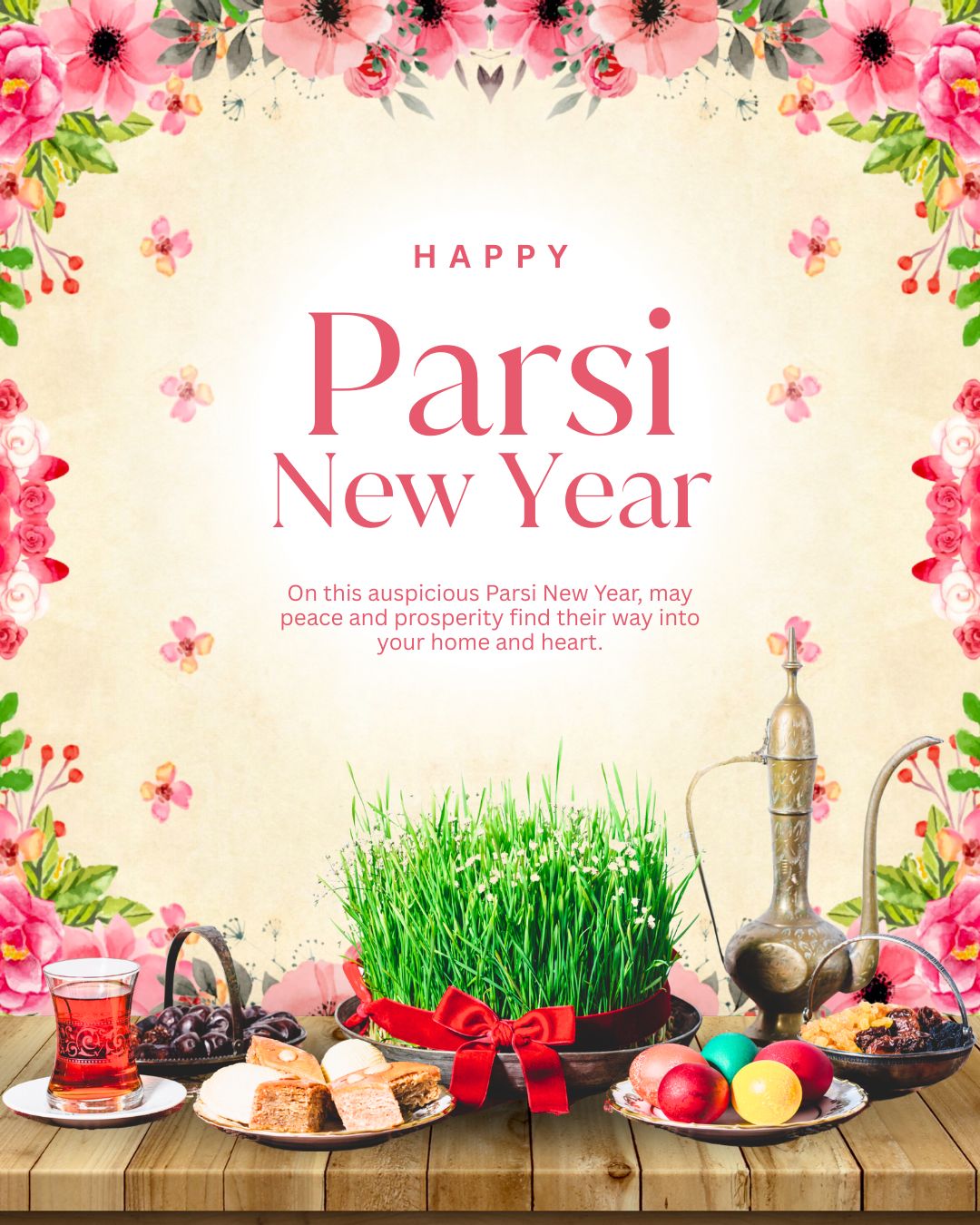
- The Ses Tray: Families set out a traditional tray called a “ses” filled with auspicious items like a water lamp, coins, rice, and sugar.
- The Haft-Seen Custom: Homes often display a table with seven symbolic items starting with the Persian letter “S” representing health, rebirth, and joy.
- Delicious Feasts: Traditional dishes like Patra ni Machhi (fish in banana leaves), Salli Boti, and Dhansak are prepared for family and guests.
- Spiritual Renewal: It is viewed as a day of charity, forgiveness, and praying for global health and prosperity.
How Can You Celebrate Parsi New Year Respectfully?
You do not have to be a member of the Parsi community to appreciate the cultural significance of Navroz.
If you have Parsi friends or colleagues, you can wish them a Happy Parsi New Year and learn more about their traditions.
You can also:
- Learn about Zoroastrian history and culture.
- Explore traditional Parsi cuisine.
- Read about the meaning of Navroz.
- Participate in appropriate cultural events.
- Support organizations working to preserve Parsi heritage.
- Respect religious customs and sacred spaces.
The best way to appreciate another culture is through curiosity, understanding and respect.
Frequently Asked Questions About Parsi New Year 2026
1. When is Parsi New Year 2026?
Parsi New Year 2026 will be celebrated on Sunday, August 16, 2026, in India by communities following the Shahenshahi calendar.
2. What is Parsi New Year called?
Parsi New Year is commonly called Navroz or Jamshedi Navroz. It marks the beginning of a new year for the Parsi community.
3. Why is Parsi New Year celebrated in August?
Many Parsis in India follow the Shahenshahi calendar. Because of differences between this calendar and the Gregorian calendar, the date of New Year has gradually shifted and is now observed in August.
4. Which religion celebrates Parsi New Year?
Parsi New Year is celebrated by the Parsi community, which follows Zoroastrianism, an ancient religion originating in Persia.
5. How do Parsis celebrate New Year?
Celebrations commonly include prayers, visiting places of worship, wearing new clothes, meeting relatives and friends, enjoying traditional food and exchanging greetings.
6. What is the difference between Pateti and Navroz?
Pateti is traditionally associated with repentance and reflection, while Navroz is the New Year’s Day that follows. In 2026, they fall on August 15 and August 16 respectively for the Shahenshahi calendar.
7. What food is prepared during Parsi New Year?
Popular Parsi dishes associated with festive meals include Patra ni Machhi, Sali Boti, Dhansak, Parsi Pulao, Farcha, Ravo and Lagan nu Custard.
Conclusion
Parsi New Year 2026 is a celebration of new beginnings, faith, family and cultural heritage. Falling on Sunday, August 16, 2026, the festival will bring Parsi families and communities together through prayers, traditional customs, delicious food and heartfelt greetings.
As Parsi families welcome another year, Navroz also offers everyone a beautiful reminder: a new beginning becomes truly meaningful when it is accompanied by kindness, gratitude and a commitment to doing good.
Wishing everyone celebrating Parsi New Year 2026 a happy, peaceful, healthy and prosperous Navroz!
boAt Rockerz 255 Pro+, 60H Battery, Fast Charge, IPX7, Dual Pair, Low Latency, Magnetic Buds, Stream Ad Free Music via App Support, in Ear Bluetooth Neckband, Wireless with Mic Earphones (Active Black)
5K+ bought in past month