


Introduction
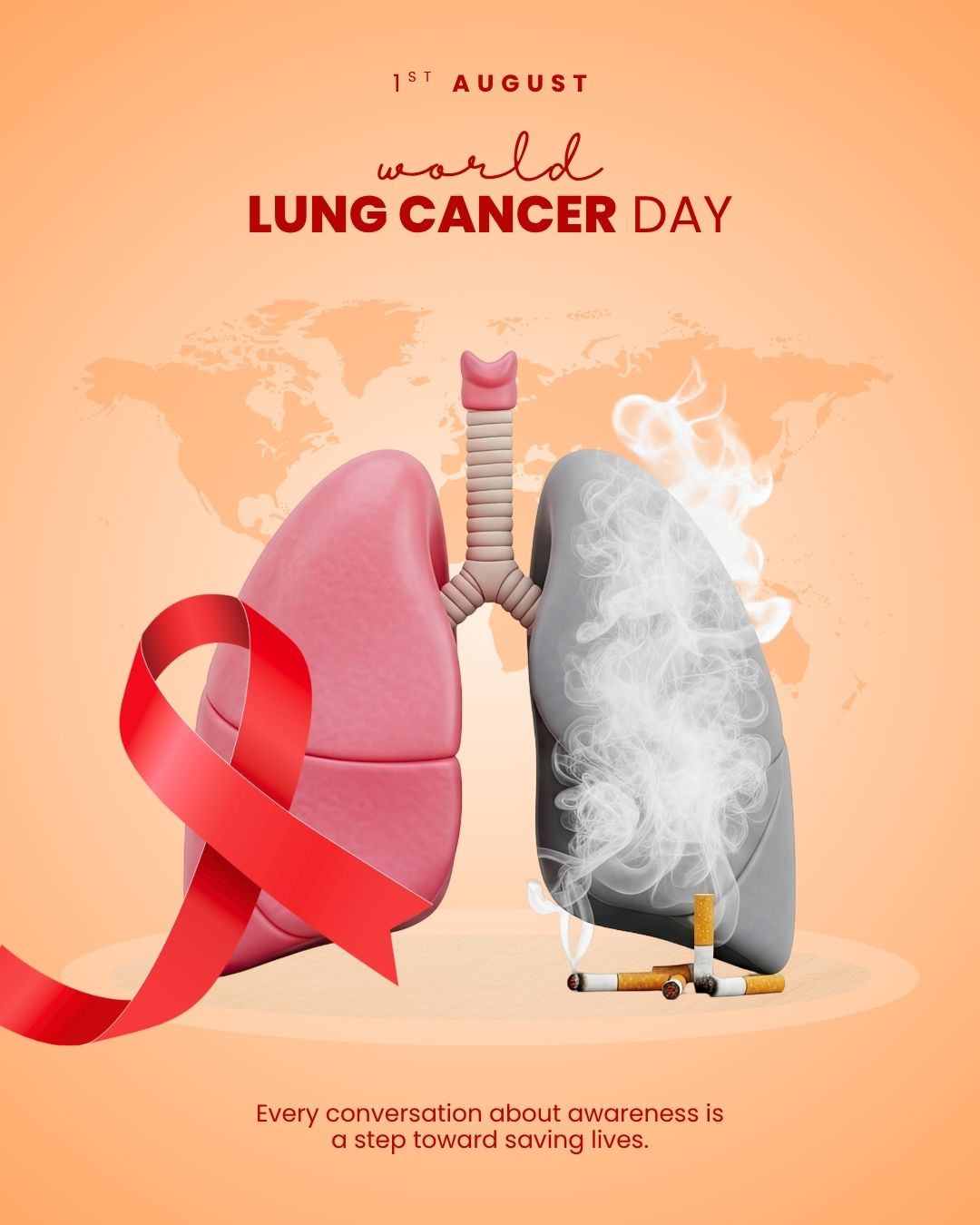
World Lung Cancer Day 2026 will be observed on Saturday, August 1, 2026, to raise awareness about one of the world’s most serious health concerns. The day highlights the importance of early detection, prevention, timely treatment, and support for people living with lung cancer.
Lung cancer is one of the leading causes of cancer-related deaths worldwide. While smoking is the biggest risk factor, non-smokers can also develop the disease due to air pollution, secondhand smoke, radon gas, workplace chemicals, or genetic factors.
This article covers the World Lung Cancer Day 2026 date, theme, history, significance, and essential information about lung cancer, including its symptoms, causes, prevention, and treatment.
World Lung Cancer Day 2026 Date
World Lung Cancer Day 2026 will be observed on Saturday, August 1, 2026. It is celebrated every year on August 1 to spread awareness about lung cancer, encourage early diagnosis, and support patients and their families.
- Date: Saturday, August 1, 2026
- Observed: Worldwide
- Purpose: To promote lung cancer awareness, early detection, prevention, and patient support.
World Lung Cancer Day 2026 Theme
The theme for World Lung Cancer Day 2026, centers on “Together through lung cancer,” emphasizing community connection, early detection, and equitable access to screening.
Campaign Focus Areas
- Connection and Support: Reminding patients and caregivers that they are never alone.
- Equitable Screening: Highlighting calls from respiratory societies for wider, fair access to early detection tools.
- Stigma Reduction: Challenging common misconceptions and addressing delays in timely diagnoses.
History of World Lung Cancer Day
World Lung Cancer Day was launched on August 1, 2012, by the Forum of International Respiratory Societies (FIRS) alongside the International Association for the Study of Lung Cancer and the American College of Chest Physicians to educate the public on the world’s deadliest cancer and promote early detection.
Origins and Founders
- Inauguration: The inaugural observance took place on August 1, 2012.
- Key Organizations: The campaign was driven by FIRS, the International Association for the Study of Lung Cancer (IASLC), and the American College of Chest Physicians.
- Core Purpose: It was created to address the lower public visibility of lung cancer compared to other malignancies and to tackle social stigmas.
Why World Lung Cancer Day Is Important
World Lung Cancer Day encourages people to learn about lung cancer and take steps toward prevention and early detection.
Promotes Early Detection
Recognizing symptoms early can improve treatment success and survival.
Encourages Healthy Habits
It promotes quitting smoking, avoiding secondhand smoke, exercising regularly, and maintaining a healthy lifestyle.
Raises Awareness
The day educates people about risk factors, symptoms, and the importance of regular health checkups.
Supports Patients
It encourages compassion, emotional support, and better access to healthcare for patients and families.
Highlights Research
The observance promotes awareness of ongoing advances in lung cancer diagnosis and treatment.
Reduces Stigma
It reminds people that anyone can develop lung cancer and every patient deserves care and support.
What Is Lung Cancer?
Lung cancer occurs when abnormal cells in the lungs grow uncontrollably, forming tumors that affect normal lung function. If untreated, these cells can spread to other parts of the body.
Although smoking is the leading cause, lung cancer can also affect non-smokers due to secondhand smoke, air pollution, radon gas, workplace exposure, or genetic changes.
The two main types are:
- Non-Small Cell Lung Cancer (NSCLC): The most common type and usually slower growing.
- Small Cell Lung Cancer (SCLC): Less common but more aggressive and fast spreading.
Common Symptoms of Lung Cancer
Lung cancer symptoms often appear in the later stages, but recognizing early warning signs can help with timely diagnosis.
Common symptoms include:
- Persistent cough that doesn’t go away
- Chest pain
- Shortness of breath
- Coughing up blood
- Hoarseness or voice changes
- Unexplained weight loss
- Fatigue or weakness
- Wheezing
- Frequent chest infections
- Bone pain or headaches in advanced stages
If these symptoms persist for several weeks, consult a healthcare professional promptly.
Major Causes of Lung Cancer
Lung cancer develops due to damage to lung cells caused by environmental and genetic factors.
Some common causes include:
- Smoking tobacco
- Exposure to secondhand smoke
- Air pollution
- Radon gas exposure
- Asbestos and harmful workplace chemicals
- Family history of lung cancer
- Previous radiation therapy to the chest
- Certain genetic mutations
Smoking remains the leading cause, but many non-smokers are also diagnosed with lung cancer.
Who Is at Higher Risk?
Some people have a greater risk of developing lung cancer than others.
Risk factors include:
- Current or former smokers
- People exposed to secondhand smoke
- Adults over 50 years of age
- Individuals exposed to radon or asbestos
- Workers in mining, construction, or chemical industries
- People living in highly polluted areas
- Those with a family history of lung cancer
- Individuals with chronic lung diseases
Having one or more risk factors does not guarantee lung cancer, but regular health checkups are recommended for high-risk individuals.

How Lung Cancer Is Diagnosed
Doctors use several tests to confirm lung cancer and determine its stage.
Common diagnostic methods include:
- Chest X-ray: Detects abnormal lung changes.
- CT Scan: Provides detailed images of the lungs.
- PET Scan: Identifies whether cancer has spread.
- Bronchoscopy: Examines the airways using a thin tube with a camera.
- Biopsy: Removes a tissue sample for laboratory testing.
- Blood Tests: Help evaluate overall health before treatment.
- Genetic Testing: Identifies mutations that may guide targeted therapies.
Early diagnosis greatly improves the chances of successful treatment.
Treatment Options for Lung Cancer
Treatment depends on the type, stage, and overall health of the patient.
Surgery
Removes the tumor and nearby affected tissue when the cancer is localized.
Chemotherapy
Uses medicines to destroy cancer cells or slow their growth.
Radiation Therapy
Uses high-energy rays to kill cancer cells, often before or after surgery.
Targeted Therapy
Targets specific genetic changes in cancer cells while reducing damage to healthy cells.
Immunotherapy
Strengthens the body’s immune system to recognize and fight cancer.
Palliative Care
Focuses on relieving symptoms, managing pain, and improving quality of life during treatment.
Modern treatments continue to improve outcomes, especially when lung cancer is detected early.
Can Lung Cancer Be Prevented?
Although not all cases of lung cancer can be prevented, adopting healthy habits can significantly reduce the risk.
Here are some effective prevention tips:
- Quit smoking and avoid tobacco products.
- Stay away from secondhand smoke.
- Test your home for radon gas if recommended.
- Limit exposure to air pollution and harmful workplace chemicals.
- Wear protective equipment in hazardous work environments.
- Eat a balanced diet rich in fruits and vegetables.
- Exercise regularly and maintain a healthy weight.
- Schedule regular health checkups, especially if you are at high risk.
Making these lifestyle changes can help protect your lungs and improve overall health.
How to Observe World Lung Cancer Day 2026
There are many meaningful ways to support the cause and spread awareness.
- Share lung cancer awareness posts on social media.
- Participate in awareness walks or community events.
- Encourage family and friends to quit smoking.
- Learn about lung cancer symptoms and risk factors.
- Support lung cancer charities and research programs.
- Thank healthcare professionals working in cancer care.
- Encourage high-risk individuals to get screened.
- Wear a white ribbon to show your support.
Even small actions can make a big difference in raising awareness.
World Lung Cancer Day 2026 Quotes
- “Early detection saves lives—don’t ignore the warning signs.”
- “Together, we can breathe hope into every life affected by lung cancer.”
- “Awareness today can save lives tomorrow.”
- “Every breath is precious—protect your lungs and your future.”
- “Support, hope, and research bring us closer to a world without lung cancer.”
- “Knowledge is the first step in the fight against lung cancer.”
World Lung Cancer Day 2026 Wishes
- Wishing everyone good health and stronger awareness on World Lung Cancer Day 2026.
- Let’s unite to support patients, survivors, and caregivers while spreading hope.
- Together, we can encourage early detection and save lives.
- Raise awareness, inspire action, and help create a healthier future for all.
Interesting Facts About Lung Cancer
- Leading cause of death: As noted by the World Health Organization (WHO), “Lung cancer is the leading cause of cancer cases and deaths worldwide.”
- Smoking connection: Cigarette smoking causes over 85% to 90% of all cases. Smokers are up to 30 times more likely to get the disease than non-smokers.
- Not only smokers: Roughly 10% to 15% of all lung cancer diagnoses happen to people who have never smoked.
- Radon gas risk: Naturally occurring radioactive radon gas seeping into buildings is the second leading cause of lung cancer overall.
- Silent early stages: Early lung cancer often shows no warning signs. Symptoms typically appear only after the disease grows or spreads.
- Main types: Non-small cell lung cancer (NSCLC) accounts for about 85% of cases, while small cell lung cancer (SCLC) spreads faster and links closely to heavy smoking.
- Early screening helps: Low-dose CT scans can find tumors early, which lowers the risk of dying from the disease by up to 20% in high-risk people.
- Improving survival: Better treatments like targeted therapy and immunotherapy are helping overall survival rates go up.
- Other environmental factors: Breathing secondhand smoke, diesel exhaust, asbestos, and heavy urban air pollution also raise your risk.
- Support is available: Groups like the American Lung Association offer programs, financial guidance, and communities for patients and caregivers.
Importance of Early Detection
Early detection is one of the most effective ways to improve lung cancer outcomes.
Benefits include:
- Higher chances of successful treatment.
- More treatment options.
- Better quality of life.
- Lower risk of cancer spreading.
- Improved long-term survival.
People at high risk should discuss screening options with their healthcare provider.
Frequently Asked Questions (FAQs)
1. When is World Lung Cancer Day 2026?
World Lung Cancer Day 2026 is observed on Saturday, August 1, 2026.
2. Why is World Lung Cancer Day celebrated?
It raises awareness about lung cancer, promotes early detection, and supports patients and research.
3. What is the theme of World Lung Cancer Day 2026?
The theme for World Lung Cancer Day 2026, centers on “Together through lung cancer,” emphasizing community connection, early detection, and equitable access to screening.
4. Can non-smokers develop lung cancer?
Yes. Air pollution, radon gas, secondhand smoke, genetics, and workplace exposures can also cause lung cancer.
5. What are the early symptoms of lung cancer?
Common symptoms include a persistent cough, chest pain, shortness of breath, coughing up blood, and unexplained weight loss.
6. Can lung cancer be prevented?
While not all cases are preventable, avoiding smoking, reducing exposure to harmful substances, and maintaining a healthy lifestyle can lower the risk.
7. How can I participate in World Lung Cancer Day?
You can spread awareness, attend events, support cancer organizations, encourage screenings, and share educational information.
Conclusion
World Lung Cancer Day 2026 is a reminder of the importance of awareness, prevention, and early detection in the fight against lung cancer. By learning the symptoms, reducing risk factors, supporting patients, and encouraging regular health checkups, we can help save lives and build healthier communities.
This August 1, 2026, take a moment to share awareness, support ongoing research, and stand with everyone affected by lung cancer. Every conversation, every screening, and every act of support brings us one step closer to a future with better outcomes and greater hope.