


Introduction
World Lizard Day is celebrated every year on August 14 to raise awareness about one of the world’s most fascinating reptiles. In 2026, the observance falls on Friday, August 14. The day highlights the vital role lizards play in ecosystems by controlling insect populations, supporting biodiversity, and maintaining ecological balance.
Also Read: World Elephant Day 2026: Date, Theme, History, Importance, Activities, Facts, Quotes & Conservation
Despite their importance, many lizard species face threats from habitat loss, pollution, climate change, and illegal wildlife trade. Misunderstandings also lead to unnecessary harm to these generally harmless reptiles. World Lizard Day 2026 encourages people to learn about lizards, appreciate their role in nature, and support conservation efforts.
In this article, you’ll discover the theme, history, significance, interesting facts, and simple ways to celebrate World Lizard Day while helping protect these remarkable creatures.
What is World Lizard Day?
World Lizard Day is an annual awareness event dedicated to celebrating lizards and promoting their conservation. It encourages people to understand their ecological importance and protect their natural habitats.
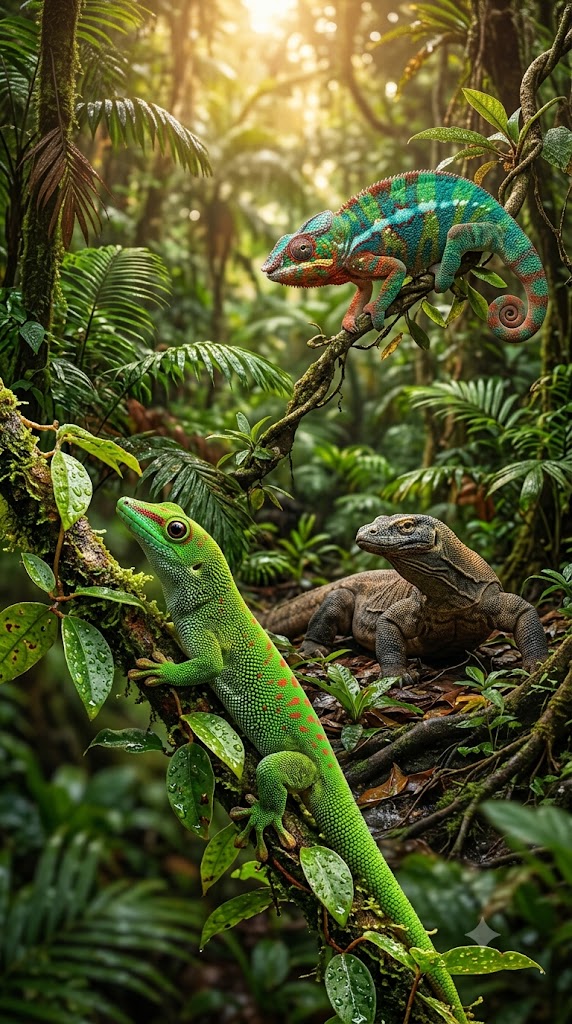
With more than 7,000 species, lizards live in deserts, forests, grasslands, mountains, and even cities. From tiny geckos to the mighty Komodo dragon, they are among the most diverse reptiles on Earth.
The day aims to:
- Raise awareness about lizard conservation.
- Highlight their role in ecosystems.
- Correct common myths about reptiles.
- Encourage habitat protection.
- Inspire respect for wildlife.
World Lizard Day 2026 Date
| Event | Details |
|---|---|
| Event Name | World Lizard Day 2026 |
| Date | August 14, 2026 |
| Day | Friday |
| Observed Every Year | August 14 |
| Category | Wildlife Awareness |
| Purpose | Promote lizard conservation |
World Lizard Day 2026 Theme
World Lizard Day 2026 does not have an official global theme assigned by a governing body like the United Nations. Instead, the unofficial focus each year centers on general reptile awareness, ecosystem appreciation, and proper pet care education.
History of World Lizard Day
World Lizard Day is celebrated every year on August 14. Its exact historical origin and creator remain unknown, as the holiday emerged informally online and through grassroots reptile enthusiast communities rather than via an official international declaration by groups like the United Nations or WWF.
Why is World Lizard Day Important?
Raises Conservation Awareness
The day educates people about the importance of lizards and the need to protect their habitats.
Supports Biodiversity
Lizards play a key role in maintaining balanced ecosystems and healthy biodiversity.
Protects Natural Habitats
It highlights the impact of habitat destruction, pollution, and climate change on reptile populations.
Busts Common Myths
Most lizards are harmless and avoid humans. The day helps replace fear with facts.
Inspires Future Conservationists
Schools and environmental groups use the occasion to encourage interest in wildlife and nature conservation.
Why Lizards Are Important to the Environment
Natural Pest Control
Lizards eat insects like mosquitoes, flies, termites, and beetles, helping reduce pest populations naturally.
Maintain the Food Chain
They serve as both predators and prey, supporting balanced ecosystems.
Indicate Ecosystem Health
Healthy lizard populations often reflect a healthy environment.
Support Biodiversity
Every lizard species contributes to ecological balance and species diversity.
Help Plant Growth
Some fruit-eating lizards disperse seeds, supporting forest regeneration.
Eco-Friendly Pest Management
By controlling harmful insects naturally, lizards reduce the need for chemical pesticides.

Fastrack Jupitor R2 Smart Watch, 1.38” TFT Display, 240 * 240 Pixel Resolution, SingleSync BT Calling, AI Voice Assistant, 100+ Sports Modes & Smartwatch Faces, Upto 5 Day Battery, IP68 (Black)
800+ bought in past month
Different Types of Lizards
Lizards come in many shapes and sizes, each adapted to its environment.
Gecko
Small, agile reptiles known for climbing walls and ceilings. They are commonly found in homes and gardens.
Chameleon
Recognized for changing colors and independently moving eyes, chameleons mainly live in trees.
Iguana
Large, plant-eating lizards native to tropical regions. Green iguanas are among the most well-known species.
Monitor Lizard
Strong and intelligent reptiles found across Asia, Africa, and Australia. They are skilled hunters and swimmers.
Komodo Dragon
The largest living lizard, capable of growing over 3 meters (10 feet) long. It is found only on a few Indonesian islands.
Skink
Smooth-bodied lizards with shiny scales that are commonly found in forests and grasslands.
Bearded Dragon
A friendly and popular pet lizard known for the spiky scales around its neck.
Anole
Small, colorful lizards often seen in tropical and subtropical regions.
Threats Facing Lizards
Although many lizard species are adaptable, they face several growing threats.
Habitat Loss
Deforestation, urban development, and agriculture continue to destroy natural habitats.
Climate Change
Changing temperatures and weather patterns affect breeding, food availability, and survival.
Pollution
Plastic waste, pesticides, and chemicals contaminate habitats and reduce food sources.
Illegal Wildlife Trade
Some rare species are captured and sold as exotic pets, reducing wild populations.
Invasive Species
Non-native predators such as cats and rats threaten many lizard populations.
How to Celebrate World Lizard Day 2026
Celebrating World Lizard Day is a great way to learn about reptiles and support conservation.
- Visit a zoo, reptile park, or nature reserve.
- Learn about local lizard species in your area.
- Watch wildlife documentaries about reptiles.
- Share interesting lizard facts on social media.
- Teach children about the importance of biodiversity.
- Support wildlife conservation organizations.
- Avoid harming harmless lizards around your home.
- Plant native trees and shrubs to create wildlife-friendly habitats.
- Participate in nature walks or wildlife awareness events.
Every small action helps create a safer environment for lizards and other wildlife.
10 Amazing Facts About Lizards
Lizards are among the most diverse and adaptable reptiles on Earth. Here are some fascinating facts that make them truly unique:
- Tail dropping: Many lizards can break off their tail to escape a predator, and the tail will grow back later.
- Tasting the air: They use their forked tongues to collect scent particles and “taste” the air to find food.
- Ancient history: Lizards have lived on Earth for more than 200 million years, dating back to the age of dinosaurs.
- Super-powered climbing: Geckos have tiny microscopic hairs on their feet that let them walk up smooth walls and hang upside down.
- Moving eyes: Chameleons have fused eyelids and can move their eyes in two different directions at the same time.
- Running on water: The basilisk lizard can sprint across the surface of water using special fringed toes.
- Cold-blooded: They rely on the sun and external sources to warm up and regulate their body temperature.
- Not all have legs: Some lizards, like legless lizards, look just like snakes, but you can tell them apart because lizards have ears and eyelids.
- A few are venomous: Species like the Gila monster and the Komodo dragon use toxic venom to subdue their prey.
- All-female species: Some whiptail lizard species consist entirely of females and can reproduce without a male mate.
Common Myths About Lizards (Myth vs Fact)
Many people fear lizards because of common misconceptions. World Lizard Day is the perfect opportunity to separate myths from facts.
| Myth | Fact |
|---|---|
| All lizards are poisonous. | Most lizard species are harmless to humans. |
| Lizards attack people. | Lizards usually avoid humans and only defend themselves if threatened. |
| Every lizard carries diseases. | Healthy wild lizards rarely pose a risk when left undisturbed. |
| Lizards are dirty animals. | Lizards are an important part of healthy ecosystems and help control pests. |
| All lizards look the same. | There are over 7,000 species with different sizes, colors, and habitats. |
How You Can Help Protect Lizards
Everyone can contribute to lizard conservation through simple actions.
- Protect forests, wetlands, and other natural habitats.
- Avoid using harmful chemical pesticides whenever possible.
- Never capture or buy wild lizards from the illegal pet trade.
- Keep local surroundings clean by reducing plastic waste.
- Support wildlife conservation organizations.
- Share accurate information to reduce fear and myths.
- Respect wildlife by observing lizards without disturbing them.
- Encourage children to learn about reptiles and biodiversity.
Small efforts by individuals can make a big difference in protecting these remarkable reptiles.
Frequently Asked Questions (FAQs)
1. When is World Lizard Day 2026?
World Lizard Day 2026 will be celebrated on Friday, August 14, 2026.
2. Why is World Lizard Day celebrated?
It is celebrated to raise awareness about lizards, their ecological importance, and the need for their conservation.
3. What is the purpose of World Lizard Day?
The day promotes reptile conservation, protects biodiversity, and encourages people to appreciate rather than fear lizards.
4. Why are lizards important?
Lizards naturally control insect populations, support food chains, and help maintain healthy ecosystems.
5. Which is the world’s largest lizard?
The Komodo dragon is the largest living lizard species in the world.
6. Are all lizards dangerous?
No. Most lizard species are harmless and avoid human contact whenever possible.
7. How can I celebrate World Lizard Day 2026?
You can celebrate by learning about reptiles, visiting a zoo or nature park, supporting conservation efforts, and sharing awareness about lizard protection.
Conclusion
World Lizard Day 2026, observed on August 14, is a meaningful occasion to recognize the incredible diversity and ecological importance of lizards. Although they are often misunderstood, these reptiles play a vital role in controlling pests, maintaining food chains, and supporting healthy ecosystems.
As habitat loss, pollution, climate change, and illegal wildlife trade continue to threaten many species, raising awareness has never been more important. By learning about lizards, protecting their natural habitats, and sharing accurate information, we can all contribute to their conservation.
This World Lizard Day, take a moment to appreciate these remarkable reptiles and remember that protecting wildlife today helps create a healthier, more balanced planet for future generations.
Fastrack Jupitor R2 Smart Watch, 1.38” TFT Display, 240 * 240 Pixel Resolution, SingleSync BT Calling, AI Voice Assistant, 100+ Sports Modes & Smartwatch Faces, Upto 5 Day Battery, IP68 (Black)
800+ bought in past month