


Introduction
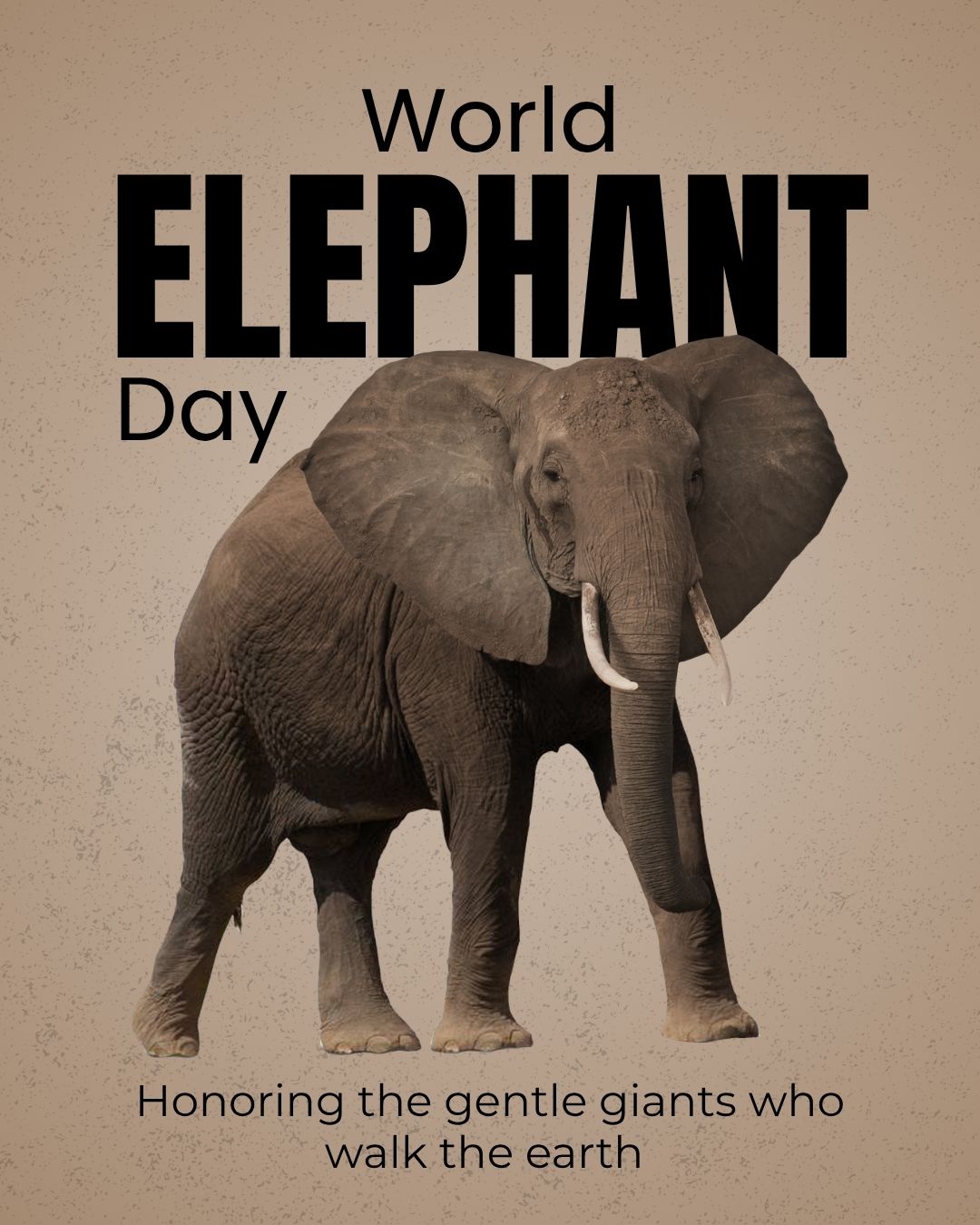
World Elephant Day is observed every year on 12 August to raise awareness about the need to protect elephants and their natural habitats. In 2026, it falls on Wednesday, 12 August 2026.
Also Read: International Tiger Day 2026: Date, Theme, History, Importance, Facts & Celebration
Elephants are the largest land mammals and play a vital role in maintaining healthy ecosystems. They help disperse seeds, create forest pathways, and support biodiversity. However, they face growing threats such as habitat loss, poaching, illegal wildlife trade, and human-elephant conflict.
World Elephant Day 2026 reminds us that protecting elephants also means protecting nature. This article covers the date, history, significance, theme, conservation efforts, and interesting facts about World Elephant Day 2026.
World Elephant Day 2026 Date
- Event Name: World Elephant Day 2026
- Date: 12 August 2026
- Day: Wednesday
What Is World Elephant Day?
World Elephant Day is a global awareness campaign dedicated to protecting elephants and preserving their habitats. Celebrated every year on 12 August, it highlights the importance of conserving elephant populations and ending threats such as poaching and habitat destruction.
Elephants are highly intelligent and social animals that play a key role in maintaining ecological balance. Their survival supports forests, grasslands, and many other species.
World Elephant Day 2026 Theme
The Theme for World Elephant Day 2026 features widely shared focus areas like “Bringing the world together to help elephants” and specific regional initiatives such as “Safe Eco-Friendly Corridors, Safe Elephants”, alongside youth photography competition themes like “Elephants: Majestic Giants”.
Importance of World Elephant Day
World Elephant Day highlights the urgent need to protect one of the world’s most iconic animals. As elephant populations continue to face threats, this observance encourages people to take action for their conservation.
The day is important because it:
- Raises awareness about elephant conservation.
- Encourages efforts to stop poaching and the illegal ivory trade.
- Promotes the protection of forests and natural habitats.
- Supports research and wildlife conservation programs.
- Inspires communities to live peacefully with elephants.
- Educates children and young people about biodiversity.
- Encourages global cooperation to protect endangered species.
History of World Elephant Day
World Elephant Day was conceived in 2011 by Canadian filmmakers Patricia Sims and Michael Clark along with Sivaporn Dardarananda from Thailand’s Elephant Reintroduction Foundation. It was officially launched on August 12, 2012, to protect Asian and African elephants from poaching, habitat loss, and mistreatment.
Key Milestones
- 2011 Conception: The idea started during the production of the documentary “Return to the Forest,” focusing on Asian elephants.
- 2012 Launch: The first official observance took place on August 12, 2012, led by Patricia Sims and the Elephant Reintroduction Foundation.
- 2015 Expansion: The World Elephant Society was formed as a non-profit charity to support the yearly global campaign.
Why Are Elephants Important?
Elephants are often called “ecosystem engineers” because they help maintain the balance of nature. Their daily activities support forests, grasslands, and many other wildlife species.
Maintain Healthy Ecosystems
Elephants disperse seeds through their dung, helping new plants and trees grow. This supports forest regeneration and increases biodiversity.
Create Water Sources
During dry seasons, elephants dig for underground water. These waterholes become valuable resources for other animals.
Support Wildlife
By clearing paths through dense forests, elephants make it easier for smaller animals to move and access food and water.
Cultural and Economic Value
In many countries, especially India and parts of Africa, elephants hold cultural and religious significance. They also attract tourists, supporting local economies through eco-tourism.
Types of Elephants
There are three living species of elephants found across Africa and Asia.
1. African Savanna Elephant
The African Savanna Elephant is the largest land animal in the world. It lives in grasslands and open woodlands across sub-Saharan Africa and is recognized by its large ears and long tusks.
2. African Forest Elephant
Smaller than the savanna elephant, this species lives in the dense rainforests of Central and West Africa. It has straighter tusks and plays a vital role in forest regeneration.
3. Asian Elephant
Asian elephants are smaller than African elephants and have smaller ears with a rounded back. They are found in countries such as India, Sri Lanka, Nepal, Thailand, and Indonesia. Sadly, this species is classified as Endangered due to habitat loss and human activities.
Major Threats Facing Elephants
Despite their importance, elephant populations continue to decline because of several serious threats.
Habitat Loss
Expanding cities, agriculture, roads, and industries reduce forests and grasslands, leaving elephants with less space to live and find food.
Poaching for Ivory
Illegal hunting for ivory remains one of the biggest threats to African elephants. Many elephants are killed each year for their tusks.
Human-Elephant Conflict
As human settlements expand into elephant habitats, encounters become more common. Crop damage and property loss often lead to conflicts that harm both people and elephants.
Illegal Wildlife Trade
Young elephants are sometimes captured for illegal trade, affecting wild populations and disrupting family groups.
Climate Change
Changing weather patterns, droughts, and shrinking water sources make it harder for elephants to survive in the wild.
Habitat Fragmentation
Roads, railways, and other infrastructure divide elephant habitats, limiting their movement and increasing the risk of accidents.

3K+ bought in past month
How Is World Elephant Day Celebrated?
World Elephant Day is observed across the globe through educational and conservation activities that inspire people to protect elephants.
Common celebrations include:
- Wildlife awareness campaigns.
- School and college competitions.
- Educational seminars and workshops.
- Documentary screenings on elephant conservation.
- Fundraising events for wildlife organizations.
- Tree plantation and habitat restoration drives.
- Zoo and sanctuary awareness programs.
- Social media campaigns using conservation messages.
Global Elephant Conservation Efforts
Global elephant conservation efforts focus on stopping illegal poaching, protecting natural habitats, and reducing conflict between people and wildlife. Major global groups like the World Wildlife Fund, the International Elephant Foundation, and regional initiatives like India’s Project Elephant work to secure safe migration corridors and support local communities.
Key Strategies
- Anti-Poaching Patrols: Equipping and training rangers to stop illegal ivory trafficking.
- Habitat Protection: Securing massive transboundary zones like the Kavango Zambezi (KAZA) region and establishing protected reserves.
- Conflict Mitigation: Using electric fences, early warning alarms, and community programs to keep farms and elephants safe.
- Captive Care: Rescuing and rehabilitating mistreated or captive animals through organizations like the Global Sanctuary for Elephants.
Elephant Conservation in India
India protects over 60% of the world’s wild Asian elephants, relying on 33 designated Elephant Reserves, 150 identified migration corridors, and government frameworks like Project Elephant to safeguard the national heritage animal.
Key Initiatives and Protection Laws
- Project Elephant: Launched in 1992 by the Ministry of Environment, Forest and Climate Change (MoEF&CC) to provide financial and technical support to states for habitat and corridor protection. Now merged financially with Project Tiger.
- Legal Status: Asian elephants (Elephas maximus) are listed as Endangered and receive the highest level of legal protection under Schedule I of the Wild Life (Protection) Act, 1972.
- Elephant Reserves: A total of 33 reserves span roughly 80,778 square kilometers across 14 states, with Karnataka, Assam, and Kerala recording the highest wild populations.
10 Interesting Facts About Elephants
- Biggest on Land: They are the largest living land mammals on Earth.
- Ear Shapes: African elephant ears look like the continent of Africa, while Asian elephant ears look like India.
- Super Trunks: A trunk has about 150,000 muscles and acts as a nose, hand, and snorkel.
- Tusks are Teeth: Their tusks are actually elongated incisor teeth that grow all their lives.
- Listening with Feet: They detect low-frequency vibrations through the ground with their feet.
- Always Eating: They spend up to 16 to 20 hours a day eating plants and grass.
- Long Pregnancy: They have a 22-month gestation period, the longest of any land animal.
- Quick Standing: Newborn calves can stand up within just 20 minutes of birth.
- No Jumping: They are the only major mammals that are physically unable to jump.
- Big Brains: They possess the largest brains of any land animal, showing deep empathy and self-awareness.
How Can You Help Save Elephants?
Everyone can contribute to elephant conservation through simple actions:
- Never buy ivory products.
- Support wildlife conservation organizations.
- Spread awareness about elephant protection.
- Plant trees and help protect forests.
- Choose responsible eco-tourism.
- Report illegal wildlife trade if you notice suspicious activities.
- Educate children about wildlife conservation.
- Share World Elephant Day messages on social media.
Even small efforts can make a big difference in protecting elephants and their habitats.
World Elephant Day 2026 Quotes
- “Protect elephants, protect our planet.”
- “Every elephant deserves a safe home.”
- “Saving elephants means saving nature.”
- “Let elephants roam free, not in fear.”
- “Together, we can secure a future for elephants.”
- “A world with elephants is a world rich in biodiversity.”
- “Stand for wildlife, stand for elephants.”
- “Every step toward conservation counts.”
World Elephant Day 2026 Wishes
- Happy World Elephant Day! Let’s work together to protect these magnificent giants.
- Wishing everyone a meaningful World Elephant Day. Save elephants, save nature.
- May we all take a step toward preserving wildlife and natural habitats.
- Celebrate World Elephant Day by spreading awareness and supporting conservation.
- Let’s promise to protect elephants for future generations.
- Together, we can build a safer world for elephants.
- Every elephant matters—Happy World Elephant Day 2026!
- Protect wildlife today for a better tomorrow.
World Elephant Day 2026 Slogans
- Save Elephants, Save Nature
- Ivory Belongs on Elephants
- Protect Giants, Preserve Life
- Every Elephant Counts
- Together for Elephant Conservation
- Stop Poaching, Start Protecting
- Save Wildlife, Save Our Future
- Be Their Voice, Protect Their Home
Frequently Asked Questions (FAQs)
1. When is World Elephant Day 2026?
World Elephant Day 2026 will be observed on Wednesday, 12 August 2026, to raise awareness about elephant conservation and habitat protection.
2. Why is World Elephant Day celebrated?
The day is celebrated to promote elephant conservation, protect their natural habitats, stop poaching, and educate people about the importance of elephants in maintaining healthy ecosystems.
3. Who started World Elephant Day?
World Elephant Day was launched in 2012 by Patricia Sims in collaboration with the Elephant Reintroduction Foundation and conservation partners.
4. What is the theme of World Elephant Day 2026?
The Theme for World Elephant Day 2026 features widely shared focus areas like “Bringing the world together to help elephants”.
5. Why are elephants important?
Elephants help maintain forests by dispersing seeds, creating pathways, and supporting biodiversity. They are considered a keystone species because many ecosystems depend on their presence.
6. How can we help protect elephants?
You can help by avoiding ivory products, supporting wildlife conservation organizations, spreading awareness, protecting forests, and promoting responsible tourism.
7. Which countries have wild elephants?
Wild elephants are mainly found in India, Sri Lanka, Nepal, Thailand, Indonesia, and several African countries, including Kenya, Botswana, Tanzania, Zimbabwe, and South Africa.
Conclusion
World Elephant Day 2026 is a reminder that elephants are not only magnificent animals but also an essential part of our planet’s ecosystems. Their survival depends on protecting forests, preventing poaching, and promoting peaceful coexistence between humans and wildlife.
On 12 August 2026, let us celebrate World Elephant Day by appreciating these gentle giants and committing to their protection. Together, we can ensure that future generations continue to witness elephants thriving in the wild.
3K+ bought in past month