


Introduction
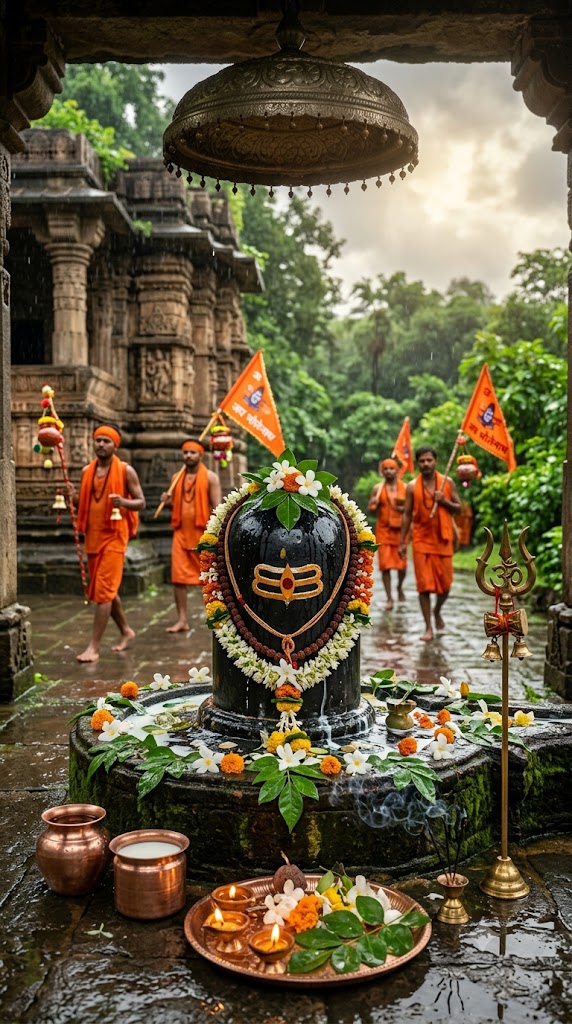
Sawan 2026, also known as Shravan Maas, is one of the most sacred months in the Hindu calendar and is dedicated to Lord Shiva. During this holy month, millions of devotees observe fasts, visit Shiva temples, perform Rudrabhishek, and chant “Om Namah Shivaya” to seek blessings for health, happiness, and prosperity.
Also Read:Guru Purnima 2026: Date & Time, History, Significance, Rituals, Wishes, Quotes & Celebration Guide
Sawan is a time of devotion, self-discipline, and spiritual growth. In this guide, you’ll learn about Sawan 2026 dates, significance, Sawan Somwar, fasting rules, rituals, and celebrations.
What Is Sawan?
Sawan means the fifth month of the Hindu calendar, the rainy monsoon season, and a sacred time for prayer. It matches the Sanskrit word Shravana and usually happens in July and August.
Meaning and Season
- Hindu Month: It is the fifth lunar month in India’s traditional calendar.
- Rainy Season: The word brings images of green fields, cool winds, and heavy monsoon rains that cool the earth after hot summer days.
- Star Connection: The name comes from the Shravana Nakshatra (a group of stars) that shines near the full moon during this time.
It is considered the most auspicious month for worshipping Lord Shiva.
During Sawan, devotees offer milk, Gangajal, Bilva leaves, and flowers to the Shivling, observe fasts, and spend time in prayer, meditation, and charity.
Sawan 2026 Dates
Sawan 2026 in North India begins on July 30, 2026, and ends on August 28, 2026.
Sawan 2026 Duration by Region
- North India (Purnimanta system, including Bihar): Starts July 30, 2026, and ends August 28, 2026.
- South and West India (Amanta system): Starts August 13, 2026, and ends September 10, 2026.
Sawan Somwar (Monday) Fasting Dates
- First Sawan Somwar: August 3, 2026
- Second Sawan Somwar: August 10, 2026
- Third Sawan Somwar: August 17, 2026
- Fourth Sawan Somwar: August 24, 2026
Key Festivals During Sawan 2026
- Hariyali Teej: August 15, 2026
- Naag Panchami: August 17, 2026
- Raksha Bandhan / Shravani Purnima: August 28, 2026
Why Is Sawan Dedicated to Lord Shiva?
Sawan is dedicated to Lord Shiva due to the Samudra Manthan sacrifice, Goddess Parvati’s penance, and monsoon symbolism.
Mythological and Spiritual Reasons
- Samudra Manthan: Lord Shiva drank the deadly Halahala poison during the cosmic ocean churning to save the universe, turning his throat blue and earning him the name Neelkanth.
- Cooling the Poison: Devotees perform jalabhishek by pouring water and milk on the Shivling to cool the intense heat of the poison from that legendary event.
- Goddess Parvati’s Devotion: Goddess Parvati performed intense penance and fasted on Mondays during Sawan to win Lord Shiva as her husband.
Seasonal and Ritual Significance
- Monsoon Renewal: The fresh monsoon rains mirror a natural abhishek of the earth, inspiring spiritual cleansing and renewal among followers.
- Sawan Somwar Fasts: Mondays are specially observed with prayers, fasting, and offerings of Bilva leaves and Ganga water to seek divine grace.
Importance of Sawan Somwar
Sawan Somwar is deeply sacred because Mondays during the holy month of Shravan Month are dedicated to worshipping Lord Shiva. Devotees observe fasts and perform rituals to gain spiritual growth, inner peace, and divine blessings. In 2026, the four Sawan Somwar fasts in North India fall on August 3, 10, 17, and 24.
Spiritual Significance
- Lord Shiva’s Grace: It is believed Lord Shiva is easily pleased during this month.
- Samudra Manthan Legend: Honors Shiva drinking poison to save the world, becoming Neelkanth.
- Marital Blessings: Unmarried women fast to seek an ideal partner like Lord Shiva.
Mythological Stories Behind Sawan
The mythological stories behind the holy month of Sawan (Shravan) center on Samudra Manthan, the penance of Goddess Parvati, and the devotion of Sage Markandeya.
The Churning of the Cosmic Ocean (Samudra Manthan)
- The Halahala Poison: Gods and demons churned the ocean for nectar, but a deadly poison called Halahala emerged first, threatening all creation.
- Lord Shiva’s Sacrifice: To save the universe, Lord Shiva drank the poison and held it in his throat, turning it blue (Neelkanth).
- The Cooling Offerings: The intense heat from the poison affected Shiva; to cool him, gods and devotees began offering cooling agents like holy Ganga water, milk, and bilva leaves during Sawan.
Goddess Parvati and Sawan Somwar Fasts
- The Rebirth of Sati: After Sati self-immolated, she was reborn as Goddess Parvati with an intense desire to marry Lord Shiva.
- Fasting for the Lord: Parvati observed strict fasts and severe penance throughout the Mondays of Sawan.
- Fulfillment of Wishes: Pleased by her absolute devotion, Lord Shiva accepted her as his wife, originating the tradition of unmarried women and devotees keeping Sawan Somwar fasts.
The Triumph over Death (Sage Markandeya)
- The Pious Devotion: Sage Markandeya was destined to live a short life, but he performed deep, unyielding prayers to Lord Shiva during Sawan.
- Defeating Yamraj: When the god of death, Yamraj, arrived to take his soul, Shiva intervened and blessed Markandeya with immortality and eternal youth.
Sawan Fasting Rules
Sawan (Shravan) fasting rules require waking up early for a holy bath, observing a sunrise-to-sunset or day-long fast, and eating only pure vegetarian, sattvic food. Key practices include consuming rock salt instead of regular salt, avoiding onions and garlic, and offering special prayers to Lord Shiva.
What to Eat
- Fruits and Milk: Fresh seasonal fruits, dry fruits, milk, curd, and buttermilk.
- Fasting Flours: Dishes made from sabudana (tapioca pearls), kuttu ka atta (buckwheat flour), and singhara ka atta (water chestnut flour).
- Allowed Spices: Rock salt (sendha namak), cumin (jeera), black pepper, and green cardamom.
- Single Meal: A simple, light sattvic meal after sunset if you are not doing a complete waterless fast.
What to Avoid
- Grains and Regular Salt: Wheat, rice, lentils, pulses, and standard table salt.
- Tamasic Foods: Onions, garlic, meat, fish, and eggs.
- Stimulants and Additives: Turmeric, mustard, asafoetida (hing), packaged snacks, and alcohol.
How to Perform Sawan Puja at Home
Performing Sawan puja at home involves waking up early, setting up a clean altar facing east or north, and performing a sacred bath (Abhishekam) on a Shivling. Key steps include offering water and Panchamrit, applying sandalwood paste, and chanting prayers with devotion.
Morning Preparation
- Wake up early: Bathe during Brahma Muhurat (before sunrise) and wear clean clothes, ideally white or light-colored.
- Clean the space: Purify your home temple or a quiet corner in the northeast (Ishan) direction with Gangajal.
- Set the altar: Place a small Shiva Lingam or idol on a clean plate or a small bed of uncooked rice and Bel Patra.
Performing Abhishek
- Offer water: Pour clean water and Gangajal gently over the Shivling.
- Offer Panchamrit: Pour milk, curd, honey, ghee, and sugar sequentially or mixed as Panchamrit.
- Cleanse: Rinse the Shivling again with clean water and wipe it gently.
Offerings and Chanting
- Bel Patra: Offer fresh, clean Bilva leaves with the smooth side facing upward.
- Decorate: Apply sandalwood paste (chandan), white flowers, and unbroken rice (akshat). Avoid using turmeric (haldi).
- Light a lamp: Burn a ghee lamp (diya) and incense (dhoop).
- Chant mantras: Chant “Om Namah Shivaya” 108 times or recite the Maha Mrityunjaya Mantra.
- Aarti and prasad: Conclude with a simple Shiva aarti, offer fruit or sweets as bhog, and share the blessings.
Benefits of Observing Sawan
Observing the holy month of Sawan (Shravan)—a sacred period dedicated entirely to Lord Shiva—is believed to bring immense spiritual growth, mental peace, physical purification, and the fulfillment of deep desires.
The extensive spiritual, personal, and health benefits of observing Sawan are detailed below.
🌟 Spiritual & Personal Benefits
- Enhanced Spiritual Connection: Deepens your focus through regular chanting of the “Om Namah Shivaya” mantra and meditation.
- Removal of Obstacles: Overcomes personal or professional hurdles by invoking Lord Shiva’s divine protection.
- Strengthened Inner Resolve: Builds immense self-discipline, patience, and mental resilience through dedicated fasting routines.
- Mitigation of Grah Dosha: Reduces the negative astronomical influences of planetary configurations, particularly Shani Dosh.
- Inner Peace: Calms an overactive mind and significantly reduces everyday stress or anxiety.
💍 Relationship & Family Benefits
- Marital Harmony: Promotes lasting stability, mutual love, and deep understanding between married couples.
- Ideal Life Partner: Rewards single women who observe the Solah Somwar Vrat (16 consecutive Mondays) with a desired spouse.
- Family Well-being: Brings overall prosperity, continuous good luck, and happiness to the entire household.
- Blessings of Children: Grants childless couples their desire for offspring, traditionally sought by performing a milk Abhishekam on the Shivling.
🍏 Physical & Health Benefits
- Detoxification: Purifies your physical body systems by switching to a clean, light, and natural diet.
- Sattvic Lifestyle: Rests the digestive organs through the absolute avoidance of processed items, onion, garlic, and heavy spices.
- Increased Longevity: Attracts vibrant physical health and shields devotees from premature dangers, mirroring the healing energy of the Maha Mrityunjaya mantra.
How Sawan Is Celebrated Across India
Sawan is celebrated with great devotion in different parts of India. While the rituals may vary by region, the spirit of worship remains the same.
- Uttar Pradesh & Uttarakhand: Kanwar Yatra and grand Shiva temple celebrations.
- Bihar & Jharkhand: Devotees observe Sawan Somwar fasts and perform Jalabhishek.
- Madhya Pradesh: Special Rudrabhishek ceremonies at famous Shiva temples.
- Gujarat & Rajasthan: Bhajans, kirtans, and community prayers.
- Maharashtra: Temple visits, fasting, and devotional singing.
- Odisha & West Bengal: Shiva worship with traditional rituals and offerings.
- South India: Shravan Maas is observed with temple prayers and spiritual activities.
Interesting Facts About Sawan
- Fifth Month: Sawan is the fifth month in the traditional Hindu lunar calendar.
- Lord Shiva: The entire month is dedicated to praying to Lord Shiva.
- Monday Fasts: People keep fasts on Mondays, called Sawan Somwar, to seek blessings.
- Samudra Manthan: Myth says the great ocean churning event happened in this month.
- The Halahal Poison: Lord Shiva drank the dangerous poison to save the world, turning his neck blue.
- Ganga Water Offerings: Devotees offer holy river water and milk to cool Lord Shiva.
- Kanwar Yatra: Pilgrims walk long distances carrying holy water on their shoulders for Shiva.
- Green and Festivals: Women wear green clothes and bangles, celebrating festivals like Hariyali Teej.
- Nag Panchami: Snakes and serpent deities are worshipped during this auspicious time.
- Monsoon Season: The month brings cooling rain that helps nature grow and renew.
Frequently Asked Questions (FAQs)
1. What is Sawan 2026?
Sawan 2026 is the sacred month of Shravan dedicated to the worship of Lord Shiva.
2. Why is Sawan important?
It is believed that worshipping Lord Shiva during Sawan brings peace, prosperity, and spiritual blessings.
3. What is Sawan Somwar?
Sawan Somwar refers to the Mondays of Shravan Maas, considered especially auspicious for Shiva worship and fasting.
4. Can women observe the Sawan fast?
Yes. Both men and women observe Sawan fasts according to their faith and family traditions.
5. What is offered to Lord Shiva during Sawan?
Milk, Gangajal, Bilva leaves, white flowers, fruits, and sandalwood paste are commonly offered.
6. What foods are allowed during the Sawan fast?
Fruits, milk, dry fruits, sabudana, makhana, and other sattvic foods are commonly consumed.
7. What is the significance of Kanwar Yatra?
During the Kanwar Yatra, devotees collect holy Ganga water and offer it to Lord Shiva as a symbol of devotion.
Conclusion
Sawan 2026 is a sacred time to deepen your devotion to Lord Shiva through prayer, fasting, and self-discipline. Whether you observe Sawan Somwar, perform daily puja, or simply chant “Om Namah Shivaya,” this holy month offers an opportunity for spiritual growth and inner peace. Celebrate Sawan with faith, compassion, and gratitude, and may Lord Shiva bless you and your family with happiness, health, and prosperity.
Har Har Mahadev!