


Introduction
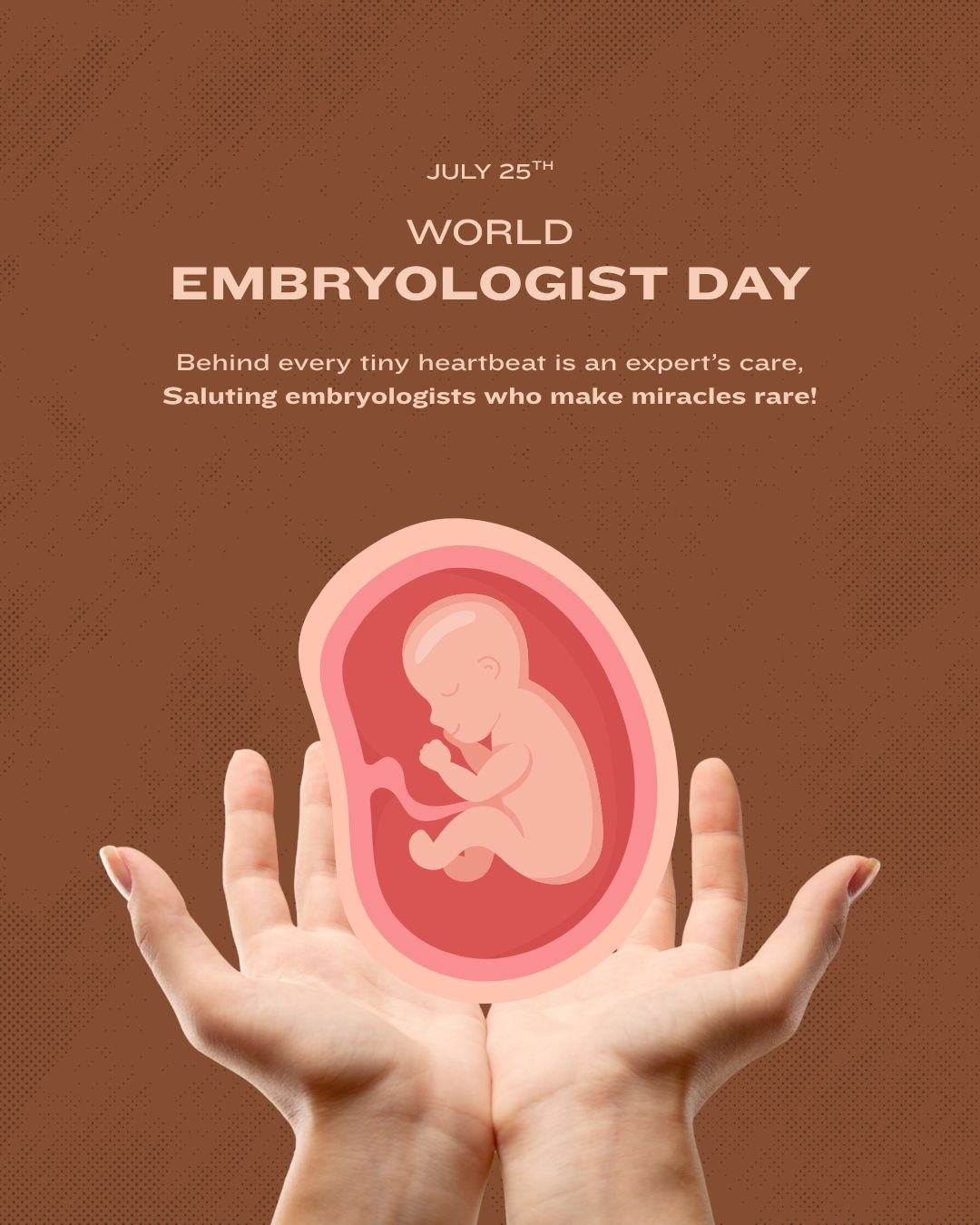
World Embryologist Day is observed every year on July 25 to honor the dedicated professionals who help make parenthood possible through fertility treatments. In 2026, the day falls on Saturday, July 25.
Also Read: National Cousins Day 2026: Date, Theme, History, Wishes, Quotes & Fun Celebration Ideas
Embryologists play a key role in assisted reproductive technology (ART) by handling eggs, sperm, and embryos during In Vitro Fertilization (IVF) procedures. Their expertise has helped millions of couples achieve their dream of starting a family.
The day also commemorates the birth of Louise Brown, the world’s first IVF baby, born on July 25, 1978. This milestone transformed reproductive medicine and highlighted the importance of embryologists in fertility care.
In this article, you’ll discover the World Embryologist Day 2026 date, history, significance, celebrations, interesting facts, and the important role embryologists play in IVF treatment.
World Embryologist Day 2026 Date
World Embryologist Day is celebrated annually on July 25. In 2026, it will be observed on Saturday, July 25.
| Event | Details |
|---|---|
| Occasion | World Embryologist Day |
| Date | July 25, 2026 |
| Day | Saturday |
| Observed In | Worldwide |
| Purpose | Honor embryologists and their contribution to fertility care |
What is World Embryologist Day?
World Embryologist Day recognizes the valuable work of embryologists, the specialists who work in IVF and fertility laboratories. They carefully manage fertilization, monitor embryo development, and support successful fertility treatments.
The observance also spreads awareness about infertility, reproductive health, and the advances in medical science that have given hope to millions of families worldwide.
History of World Embryologist Day
World Embryologist Day, also known as World IVF Day, is celebrated to commemorate the birth of Louise Joy Brown in 1978, the world’s first baby conceived through in vitro fertilization (IVF). This date honors the pioneering scientific milestone achieved by Dr. Robert Edwards, Dr. Patrick Steptoe, and nurse Jean Purdy, while recognizing the vital work of embryologists in modern reproductive medicine.
Origins and Milestone
- The Date: July 25 marks the birth of Louise Brown at Oldham and District General Hospital in the United Kingdom.
- The Pioneers: British physiologist Dr. Robert Edwards, gynecologist Dr. Patrick Steptoe, and nurse Jean Purdy collaborated for years, overcoming 102 failed embryo transfers before achieving a successful term pregnancy.
- Global Recognition: Decades later, Dr. Robert Edwards was awarded the Nobel Prize in Physiology or Medicine in 2010 for the development of human IVF.
World Embryologist Day 2026 Theme
World Embryologist Day 2026 does not have a single official global theme, but organizations widely focus on creating hope, advancing fertility, and transforming lives. The day honors the birth of the first IVF baby in 1978 and the laboratory experts who make parenthood possible.
Why is World Embryologist Day Celebrated?
The day celebrates the dedication and expertise of embryologists, whose work is essential to modern fertility care. It also aims to:
- Recognize embryologists’ contributions.
- Raise awareness about infertility.
- Promote reproductive health.
- Highlight advances in IVF and ART.
- Appreciate healthcare professionals working behind the scenes.
Their precision and commitment continue to bring hope and happiness to countless families.
Who is an Embryologist?
An embryologist is a healthcare professional who specializes in reproductive biology and works in IVF laboratories. They handle eggs, sperm, and embryos, ensuring the best possible conditions for fertilization and healthy embryo development.
Embryologists work closely with fertility specialists and use advanced laboratory techniques to improve the chances of a successful pregnancy. Their role requires scientific knowledge, precision, patience, and strict attention to quality standards.
Role of an Embryologist in IVF Treatment
Embryologists are involved in every stage of the IVF process. Their responsibilities include:
- Collecting and examining eggs and sperm.
- Performing fertilization in the laboratory.
- Monitoring embryo growth and development.
- Selecting healthy embryos for transfer.
- Freezing embryos using cryopreservation.
- Maintaining a sterile and controlled laboratory environment.
- Ensuring quality and accuracy throughout the treatment.
Their expertise plays a major role in improving IVF success rates.
Importance of Embryologists in Modern Healthcare
Embryologists are essential to modern reproductive medicine. Their work supports individuals and couples who face fertility challenges while contributing to ongoing medical advancements.
They help by:
- Improving IVF success rates.
- Supporting fertility preservation.
- Assisting genetic testing of embryos.
- Advancing reproductive research.
- Giving hope to families planning for children.
Without embryologists, many fertility treatments available today would not be possible.
Interesting Facts About Embryology
Here are some fascinating facts about embryology and IVF:
- Starts as one cell: Life begins when a sperm and an egg join to make a single cell called a zygote.
- Rapid division: This single cell divides over and over again at a very fast rate as it grows.
- Early heart beat: A human embryo’s tiny heart starts beating around three to four weeks after conception.
- Brain building: The neural tube forms early on, setting up the foundation for the brain and spinal cord.
- Temporary tail: Early human and animal embryos go through a stage where they have a small tail-like structure.
- Three main layers: The embryo forms three basic layers of cells (ectoderm, mesoderm, and endoderm) that turn into every organ.
- Hiccups start early: Unborn babies can get hiccups inside the womb as early as seven weeks.
- Fingers and toes: Tiny fingers and toes form clearly between weeks six and eight.
- Name change at eight weeks: After eight weeks of development, the embryo is officially called a fetus.
- Stem cell power: Early embryonic cells can turn into any type of cell in the body.
These achievements show how science and technology have transformed reproductive healthcare.
How is World Embryologist Day Celebrated?
World Embryologist Day is celebrated by fertility clinics, hospitals, medical organizations, and healthcare professionals through activities that recognize the contributions of embryologists. Common celebrations include:
- Appreciation ceremonies for embryologists.
- Medical seminars and conferences.
- Fertility awareness campaigns.
- Educational workshops and webinars.
- Social media posts highlighting IVF success stories.
- Public discussions on reproductive health.
These events help spread awareness about fertility science and the professionals working behind successful IVF treatments.
Challenges Faced by Embryologists
Embryologists work in a demanding environment where accuracy is essential. Some common challenges include:
- Maintaining high precision in laboratory procedures.
- Handling delicate embryos with extreme care.
- Keeping up with advancing medical technology.
- Managing emotional pressure associated with fertility treatments.
- Following strict laboratory safety and quality standards.
Despite these challenges, embryologists remain committed to helping families achieve parenthood.
How to Appreciate Embryologists
You can celebrate World Embryologist Day by:
- Thanking embryologists and fertility professionals.
- Learning about IVF and reproductive health.
- Sharing awareness posts on social media.
- Supporting infertility awareness initiatives.
- Recognizing the important role of laboratory professionals.
Even a simple message of appreciation can make a meaningful difference.
World Embryologist Day 2026 Quotes
- “Behind every IVF success story is the dedication of an embryologist.”
- “Science creates possibilities, and embryologists help turn them into families.”
- “Every healthy embryo reflects skill, patience, and hope.”
- “Embryologists are the silent heroes of modern fertility care.”
- “Their work brings new beginnings and lifelong happiness.”
World Embryologist Day 2026 Wishes
- Happy World Embryologist Day to all the professionals creating hope for families worldwide.
- Thank you for your dedication to reproductive medicine and fertility care.
- Wishing every embryologist continued success in changing lives.
- Your expertise brings smiles to countless parents. Happy World Embryologist Day!
- Salute to the healthcare heroes working behind every successful IVF journey.
FAQs About World Embryologist Day 2026
1. When is World Embryologist Day 2026?
World Embryologist Day will be observed on Saturday, July 25, 2026.
2. Why is World Embryologist Day celebrated?
It recognizes the important contributions of embryologists in IVF, fertility treatment, and reproductive medicine.
3. Who is an embryologist?
An embryologist is a specialist who works with eggs, sperm, and embryos in fertility laboratories.
4. Why is July 25 important?
It marks the birth of Louise Brown, the world’s first IVF baby, born on July 25, 1978.
5. What is the role of an embryologist in IVF?
They perform fertilization, monitor embryo development, select healthy embryos, and maintain laboratory quality.
6. What is the theme of World Embryologist Day 2026?
No official theme has been announced yet.
7. Is World Embryologist Day celebrated worldwide?
Yes. Fertility clinics, hospitals, and medical organizations observe the day across many countries.
Conclusion
World Embryologist Day 2026, celebrated on July 25, is a tribute to the professionals who make parenthood possible through science, precision, and compassion. Their work in IVF laboratories has transformed millions of lives and continues to advance reproductive medicine.
As we observe this special day, let us recognize the dedication of embryologists and appreciate their invaluable contribution to healthcare and the dreams of families around the world.