


Introduction
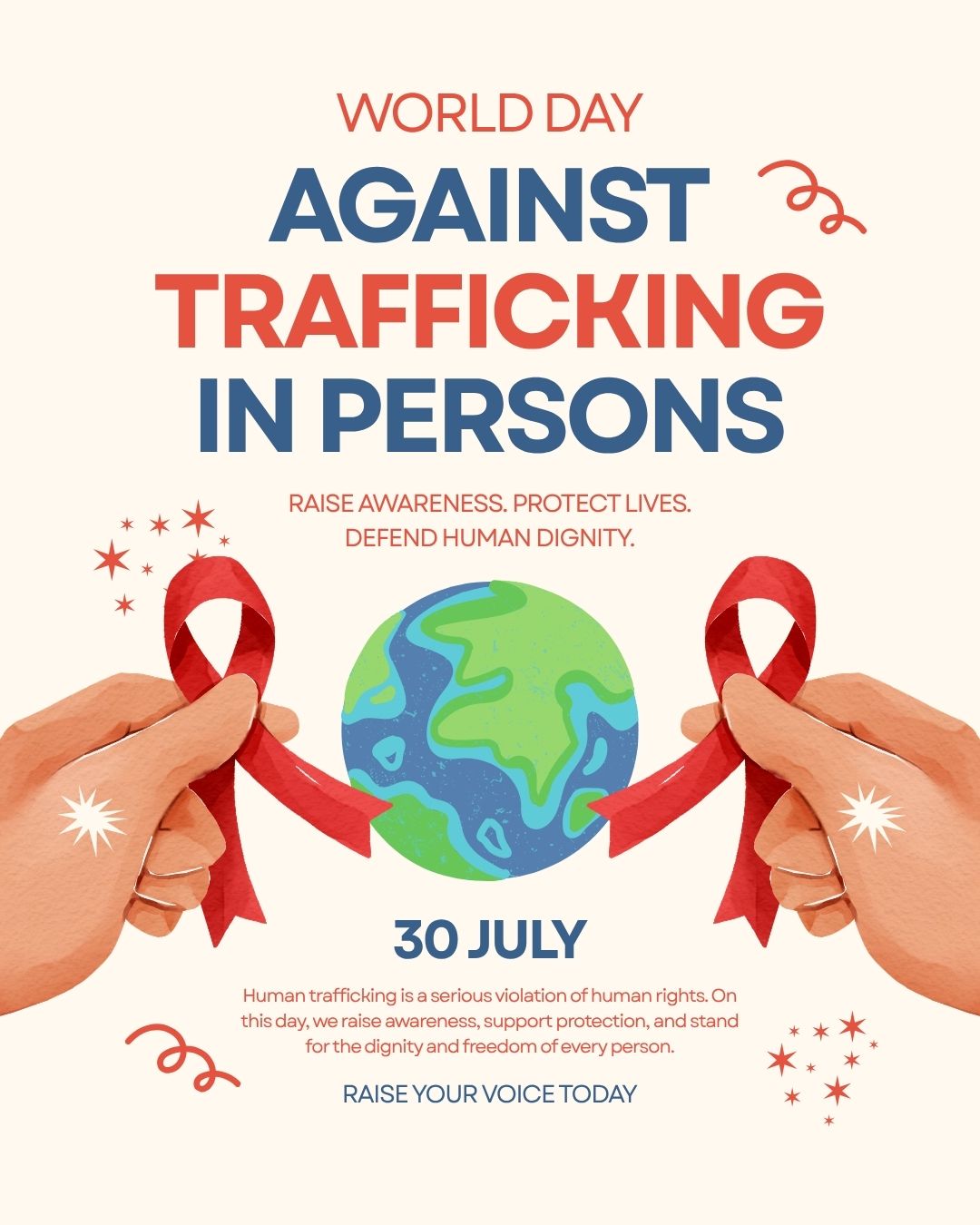
Human trafficking is a serious crime and a major human rights violation that affects millions of people worldwide. Victims are exploited through forced labor, sexual exploitation, child trafficking, forced marriage, and other abusive practices. To raise awareness and encourage action, the world observes World Day Against Trafficking in Persons every year on 30 July.
Also Read: National Whistleblower Appreciation Day 2026: Date, History, Significance & Facts
World Day Against Trafficking in Persons 2026 will be observed on Thursday, 30 July 2026. The day highlights the need to protect victims, bring traffickers to justice, and prevent exploitation through awareness, education, and global cooperation.
In this article, you’ll learn about the 2026 date, theme, history, significance, warning signs, prevention tips, interesting facts, and ways to support the fight against human trafficking.
What is World Day Against Trafficking in Persons?
World Day Against Trafficking in Persons is an international observance that raises awareness about human trafficking and promotes the protection of victims. It encourages governments, organizations, and communities to work together to prevent trafficking, support survivors, and strengthen efforts against this global crime.
World Day Against Trafficking in Persons 2026 Date
Date: Thursday, 30 July 2026
World Day Against Trafficking in Persons 2026 Theme
The official theme for the World Day Against Trafficking in Persons 2026 is “Trapped behind the scam.”
This campaign focuses on how transnational criminal groups force trafficked victims to run industrial-scale online financial scams and cyber-enabled fraud.
Key Focus Areas
- Forced Criminality: Victims face violence and threats to run digital scams like romance and cryptocurrency fraud.
- Fake Recruitment: Traffickers trick people with false job offers abroad, then lock them in illegal compounds.
- Global Action: The UNODC Campaign Hub urges countries to update laws and improve cross-border cooperation against cybercrime.
History of World Day Against Trafficking in Persons
The United Nations General Assembly established this World Day Against Trafficking in Persons in 2013 via resolution A/RES/68/192 to raise global awareness of human trafficking and to protect the rights of its victims.
Key Milestones in Global Anti-Trafficking Action
- 2006–2007: Japan hosted a UN coordination meeting, leading to the creation of the Inter-Agency Coordination Group Against Human Trafficking (ICAT) in March 2007.
- 2010: The UN General Assembly adopted the Global Plan of Action to Combat Trafficking in Persons, creating a trust fund for victims.
- 2013: The UN held a high-level meeting and officially designated July 30 as the World Day Against Trafficking in Persons.
- 2015: The 2030 Sustainable Development Agenda added specific targets to end human trafficking and violence against children and women.
- Present Focus: Recent annual themes target emerging threats like online cyber scam compounds and forced criminality.
What is Human Trafficking?
Human trafficking is the illegal recruitment, transportation, or control of people through force, fraud, or deception for exploitation. It can happen within a country or across borders and affects people of all ages and backgrounds.
Common forms of human trafficking include:
- Forced labor
- Sexual exploitation
- Child trafficking
- Forced marriage
- Domestic servitude
- Organ trafficking
- Online exploitation
Unlike human smuggling, trafficking involves exploitation and coercion, while smuggling usually involves illegal border crossing with a person’s consent.
Why is World Day Against Trafficking in Persons Important?
This international observance raises awareness and encourages action to combat human trafficking.
Its importance includes:
- Protecting human rights
- Supporting survivors
- Preventing exploitation
- Raising public awareness
- Strengthening laws and enforcement
- Promoting global cooperation
Together, these efforts help create safer communities and reduce the risk of trafficking.
Objectives of the Day
The main objectives are to:
- Raise awareness about human trafficking.
- Protect victims and survivors.
- Prevent exploitation.
- Encourage reporting of suspicious activities.
- Strengthen anti-trafficking laws.
- Promote international cooperation.
- Educate vulnerable communities.
Who Is Most at Risk?
Although anyone can become a victim, some groups are more vulnerable, including:
- Children
- Women and girls
- Migrant workers
- Refugees
- People living in poverty
- Individuals affected by conflict or disasters
Education, awareness, and community support can help reduce these risks.
Common Warning Signs of Human Trafficking
Recognizing the warning signs can help protect vulnerable people. Some common indicators include:
- Fearful or anxious behavior
- Restricted freedom of movement
- No access to personal identification documents
- Poor living or working conditions
- Long working hours with little or no pay
- Signs of physical or emotional abuse
- Someone else speaking or making decisions for them
- Limited contact with family or friends
These signs do not always confirm trafficking but may indicate that help is needed.

How Human Trafficking Happens
Traffickers often take advantage of people’s trust or difficult circumstances. Common methods include:
- Fake job offers
- False promises of education or a better life
- Fraudulent recruitment agencies
- Online scams and social media grooming
- Forced migration
- Debt bondage
- Coercion or threats
Staying informed and verifying opportunities can help prevent exploitation.
Global Impact of Human Trafficking
Human trafficking affects millions of people worldwide and has lasting consequences.
Its impact includes:
- Violation of human rights
- Physical and emotional trauma
- Loss of education and employment opportunities
- Family separation
- Economic exploitation
- Increased burden on healthcare and law enforcement systems
Combating trafficking requires strong cooperation between governments, organizations, and communities.
How Governments and Organizations Fight Human Trafficking
Governments and international organizations work together to combat trafficking by:
- Enforcing anti-trafficking laws
- Conducting investigations and rescuing victims
- Providing shelter, healthcare, and legal support
- Raising public awareness
- Training law enforcement officers
- Strengthening international partnerships
These combined efforts help protect victims and bring traffickers to justice.
How You Can Help Prevent Human Trafficking
Everyone can play a role in preventing human trafficking. Here are some simple ways to help:
- Learn the warning signs of trafficking.
- Verify job offers before accepting them.
- Educate family and friends about online safety.
- Support organizations that assist survivors.
- Share reliable awareness campaigns.
- Report suspected trafficking to the appropriate authorities.
Small actions can make a big difference in protecting vulnerable people.
How Schools, Colleges, and Communities Can Participate
Educational institutions and community groups can spread awareness by organizing:
- Poster and slogan competitions
- Essay-writing contests
- Awareness rallies
- Workshops and seminars
- Street plays
- Social media campaigns
- Guest lectures by experts
These activities encourage people to understand the issue and take responsible action.
Interesting Facts About Human Trafficking
Human trafficking is a multi-billion dollar global crime that affects millions of people across all ages, genders, and backgrounds. According to reports by organizations like the United Nations Office on Drugs and Crime (UNODC), it manifests as a modern form of slavery driven by exploitation for profit.
Here are 10 key facts you need to know about human trafficking:
- Lucrative Illegal Market: It generates an estimated $32 billion annually, making it the third most profitable business for organized crime after drugs and arms.
- Deception Over Violence: Roughly 94% of adult victims are recruited through deception and the abuse of vulnerability rather than explicit physical violence.
- Global Impact: It is a borderless crime affecting every country, serving either as a point of origin, transit, or final destination.
- Prevalence of Forced Labor: Forced labor is the most common form globally, forcing millions to work under coercion in agriculture, fishing, construction, and manufacturing.
- High Female Victimization: Women and girls make up the majority of detected victims, frequently targeted for both sexual exploitation and domestic servitude.
- Child Exploitation: Over a quarter of all identified human trafficking victims worldwide are children, often forced into begging, illegal work, or armed conflict.
- Online Recruitment: Traffickers heavily rely on social media and internet platforms to identify, manipulate, and groom potential victims.
- Female Perpetrators: While 58% of convicted traffickers are men, the involvement of women in this crime is higher than in almost any other type of offense.
- Diverse Trafficker Profiles: Victims are frequently exploited by people they know, including romantic partners, acquaintances, and even immediate family members.
- Legality of Consent: Under international law, a victim’s initial consent to work is legally irrelevant if force, fraud, or coercion was used at any point.
Inspirational Quotes
“Freedom is every person’s basic right.”
“Together, we can end human trafficking.”
“Awareness creates hope and protects lives.”
“Every action against trafficking makes a difference.”
“Stand for freedom, dignity, and justice.”
Frequently Asked Questions (FAQs)
1. When is World Day Against Trafficking in Persons 2026?
It will be observed on Thursday, 30 July 2026.
2. Why is this day observed?
It raises awareness about human trafficking, supports survivors, and encourages global action to prevent exploitation.
3. Who established this observance?
The United Nations General Assembly established it in 2013.
4. What is the 2026 theme?
The official theme for the World Day Against Trafficking in Persons 2026 is “Trapped behind the scam.”
5. What is human trafficking?
Human trafficking is the exploitation of people through force, fraud, or coercion for purposes such as forced labor or sexual exploitation.
6. How can I help prevent human trafficking?
Stay informed, recognize warning signs, verify job opportunities, support awareness campaigns, and report suspected trafficking to the appropriate authorities.
7. What is the difference between trafficking and smuggling?
Trafficking involves exploitation through force, fraud, or coercion, while smuggling generally involves illegal border crossing with a person’s consent.
Conclusion
World Day Against Trafficking in Persons 2026 reminds us that everyone deserves to live with freedom, dignity, and safety. By raising awareness, supporting survivors, recognizing warning signs, and promoting stronger action, we can help reduce human trafficking worldwide.
Every informed decision and every voice raised against exploitation brings us one step closer to a safer and more just world.