


Introduction
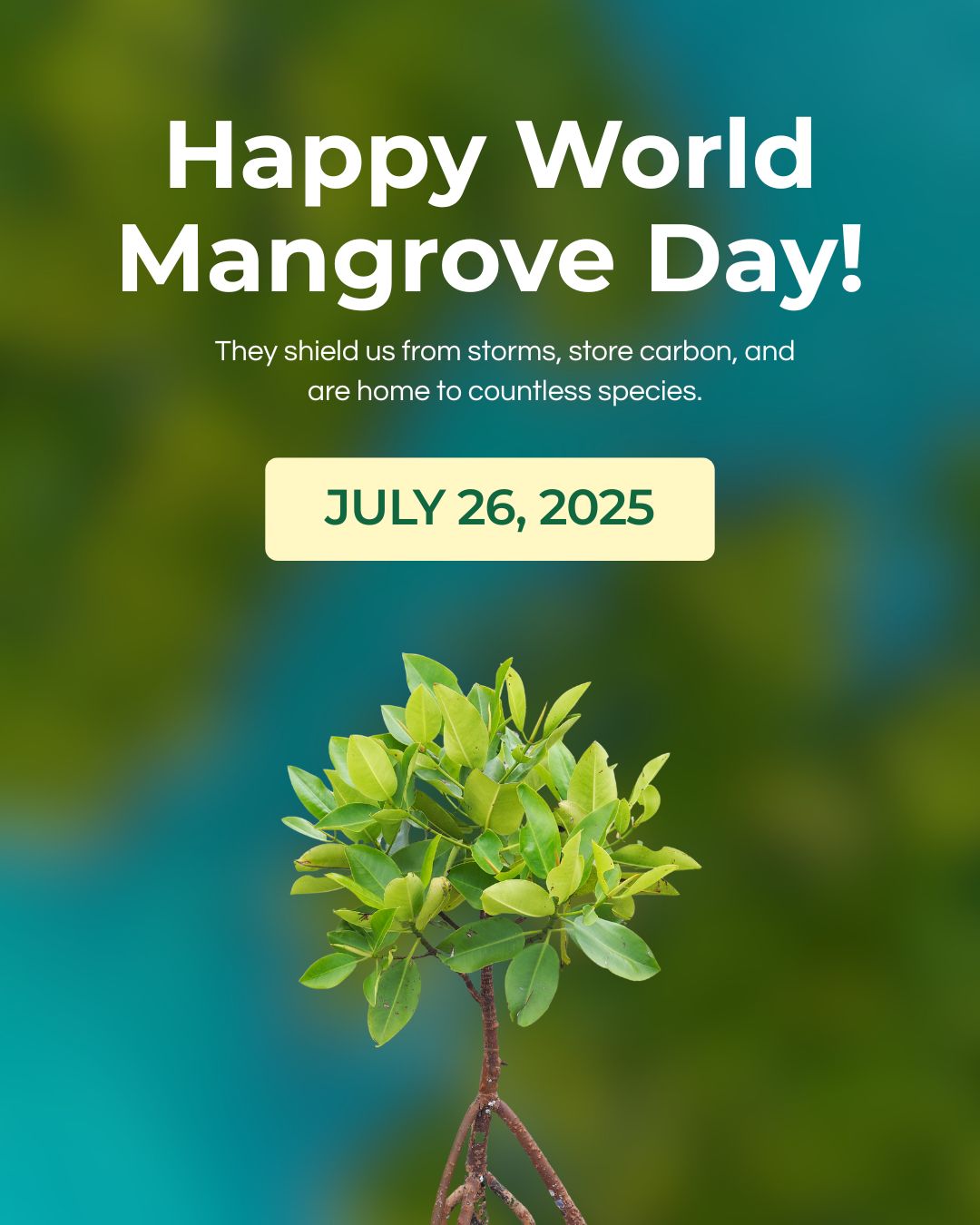
Mangrove forests are among the world’s most valuable ecosystems. They protect coastlines, support marine life, and help combat climate change. However, these unique forests are disappearing due to deforestation, pollution, and rising sea levels. World Mangrove Day 2026 reminds us of the importance of conserving and restoring these natural coastal protectors.
Also Read: National Parents’ Day 2026: Date, Theme, History, Significance, Celebration Ideas, Wishes & Quotes
Observed every year on July 26, the day raises awareness about mangrove conservation and encourages people, communities, and governments to take action. In this article, you’ll learn about the World Mangrove Day 2026 date, theme, history, importance, and conservation efforts.
What Is World Mangrove Day?
World Mangrove Day, officially known as the International Day for the Conservation of the Mangrove Ecosystem, is observed every year on July 26.
Established by UNESCO, the day highlights the ecological and economic importance of mangrove forests while promoting their conservation. Mangroves protect coastlines, support biodiversity, improve water quality, and store large amounts of carbon, making them essential for a healthy planet.
World Mangrove Day 2026 Date
World Mangrove Day 2026 will be observed on Sunday, July 26, 2026.
World Mangrove Day 2026 Theme
World Mangrove Day 2026 (International Day for the Conservation of the Mangrove Ecosystem), features regional themes set by different groups, such as “Healthy Mangroves for Sustainable…” in Kenya’s Lamu County and “Inspired by Nature for Climate and Future” by the Mangrove Society of India.
History of World Mangrove Day
World Mangrove Day, officially named the International Day for the Conservation of the Mangrove Ecosystem was adopted by UNESCO in 2015 to honor an activist who died protecting these forests and to highlight how vital these coastal trees are for our planet.
Origin and Key Dates
- July 26, 1998: Greenpeace activist Hayhow Daniel Nanoto died during a protest to save mangrove wetlands in Muisne, Ecuador. The date of July 26 was chosen to honor his life and sacrifice.
- November 2015: UNESCO officially declared the date as the International Day for the Conservation of the Mangrove Ecosystem during its 38th General Conference.
- July 26, 2016: The first official World Mangrove Day was celebrated globally.
Why Are Mangroves Important?
Mangroves are often called “nature’s coastal guardians” because they provide many environmental and economic benefits.
Protect Coastlines
Their dense roots reduce coastal erosion and protect shorelines from storms, cyclones, and tidal waves.
Fight Climate Change
Mangroves store large amounts of carbon, helping reduce greenhouse gases and combat climate change.
Support Biodiversity
They provide breeding and feeding habitats for fish, birds, crabs, reptiles, and many other species.
Strengthen Fisheries
Mangroves act as nurseries for marine life, supporting sustainable fisheries and coastal livelihoods.
Improve Water Quality
Their roots filter pollutants and trap sediments, keeping coastal waters cleaner and healthier.
Support Coastal Communities
Millions of people depend on mangroves for fishing, eco-tourism, and other sustainable livelihoods.
Key Objectives of World Mangrove Day
- Raise awareness about mangrove conservation.
- Promote restoration of mangrove ecosystems.
- Protect biodiversity and marine habitats.
- Highlight mangroves’ role in fighting climate change.
- Encourage sustainable use of coastal resources.
- Support environmental education and research.
- Inspire community participation in conservation efforts.
- Promote global cooperation to protect coastal ecosystems.
What Are Mangrove Forests?
Mangrove forests are coastal wetlands made up of salt-tolerant trees and shrubs that grow in tropical and subtropical regions. They thrive where land meets the sea, especially along estuaries, river mouths, lagoons, and tidal coasts.
What makes mangroves unique is their ability to survive in salty water. Their specialized root systems help them absorb oxygen, anchor firmly in muddy soil, and withstand changing tides. Besides protecting coastlines, mangroves provide food and shelter for countless marine and wildlife species.
Where Are Mangroves Found?
Mangroves grow in more than 100 countries, mainly in tropical and subtropical coastal regions.
Some of the countries with significant mangrove forests include:
- India
- Bangladesh
- Indonesia
- Australia
- Brazil
- Mexico
- Philippines
- Thailand
- Malaysia
- Nigeria
Famous mangrove ecosystems include:
- Sundarbans (India and Bangladesh) – The world’s largest mangrove forest and home to the Royal Bengal Tiger.
- Everglades (United States) – A UNESCO World Heritage Site with rich biodiversity.
- Mekong Delta (Vietnam) – An important ecosystem supporting fisheries and local communities.
Mangroves in India
India is home to one of the largest mangrove ecosystems in the world. These forests are found along both the eastern and western coasts and play a crucial role in protecting coastal communities from storms and erosion.
Major mangrove regions in India include:
- West Bengal (Sundarbans)
- Gujarat
- Odisha
- Andhra Pradesh
- Tamil Nadu
- Maharashtra
- Andaman and Nicobar Islands
The Sundarbans, a UNESCO World Heritage Site, is India’s most famous mangrove forest and is known for its rich biodiversity, including the endangered Royal Bengal Tiger.
Benefits of Mangrove Ecosystems
Mangrove forests offer a wide range of environmental and economic benefits.
Store Blue Carbon
Mangroves capture and store large amounts of carbon, helping slow climate change.
Protect Coastal Areas
Their roots reduce erosion and act as natural barriers against storms, cyclones, and tidal waves.
Support Marine Life
Mangroves provide breeding and nursery grounds for fish, crabs, shrimp, and many other aquatic species.
Improve Water Quality
They filter pollutants and trap sediments before they reach the ocean.
Support Local Economies
Fishing, eco-tourism, and sustainable harvesting provide income for many coastal communities.
Protect Wildlife
Mangroves provide shelter and food for birds, reptiles, mammals, and countless marine organisms.
Threats Facing Mangroves
Despite their importance, mangrove forests continue to decline due to human activities and climate change.
Major threats include:
- Deforestation and illegal logging
- Coastal development and urbanization
- Aquaculture expansion
- Plastic and chemical pollution
- Climate change
- Rising sea levels
- Oil spills
- Unsustainable tourism
If these threats continue, coastal ecosystems and the communities that depend on them will face increasing environmental and economic challenges.
How Is World Mangrove Day Celebrated?
Common celebrations include:
- Mangrove tree plantation drives
- Beach and coastal clean-up campaigns
- Educational workshops and seminars
- School and college awareness programs
- Nature walks and eco-tours
- Photography and poster competitions
- Social media awareness campaigns
- Community-led conservation projects
These activities inspire people to understand the importance of mangroves and contribute to their protection.
How You Can Help Protect Mangroves
Everyone can play a role in conserving mangrove forests. Small actions can make a big difference.
Here are some simple ways to help:
- Plant mangrove saplings during conservation drives.
- Reduce plastic waste and dispose of garbage responsibly.
- Participate in beach and river clean-up campaigns.
- Support organizations working for mangrove conservation.
- Spread awareness through social media and community events.
- Practice responsible tourism in coastal areas.
- Choose sustainably sourced seafood.
- Encourage others to protect coastal ecosystems.
Interesting Facts About Mangroves
- Salt filters: Many species filter up to 90% of salt from seawater at their roots, while others push salt out through special glands in their leaves.
- Breathing roots: They use specialized roots like pneumatophores that stick up out of the oxygen-poor mud like tiny straws to catch air.
- Super carbon sinks: They lock away up to ten times more carbon per hectare than normal land forests, earning the name “blue carbon”.
- Storm shields: Their dense root webs absorb up to two-thirds of wave energy, protecting coastal towns from floods and erosion.
- Ocean nurseries: Calm shallow roots provide safe hiding and breeding spaces for baby fish, crabs, and shrimp.
- Live birth seeds: Seeds stay on the parent tree and grow into small plantlets (propagules) before dropping to float and root in the mud.
- Water filters: They trap dirt and absorb waste runoff, keeping nearby coral reefs and seagrass clean.
- Global coverage: They span nearly 148,000 square kilometers worldwide, with the largest share located in Indonesia.
- Animal homes: Rare animals like mangrove tigers, monkeys, and hundreds of migratory birds rely on these zones to survive.
- Livelihood support: More than 4 million fishers worldwide depend directly on healthy mangrove habitats for their food and jobs.
World Mangrove Day 2026 Quotes
- “Protect mangroves today for a greener tomorrow.”
- “Healthy mangroves mean healthy oceans.”
- “Nature’s strongest coastal defenders deserve our protection.”
- “Save mangroves, save marine life.”
- “Every mangrove planted is a step toward a sustainable future.”
World Mangrove Day 2026 Slogans
- Save Mangroves, Save Our Future
- Protect Mangroves, Protect Life
- Healthy Mangroves, Healthy Planet
- Coastal Forests Matter
- Plant Mangroves, Preserve Nature
- Strong Roots, Strong Coasts
- Mangroves: Nature’s Coastal Shield
- Conserve Today, Thrive Tomorrow
Frequently Asked Questions (FAQs)
1. When is World Mangrove Day 2026?
World Mangrove Day 2026 will be observed on Sunday, July 26, 2026.
2. What is the official name of World Mangrove Day?
It is officially called the International Day for the Conservation of the Mangrove Ecosystem.
3. Who established World Mangrove Day?
The observance was established by UNESCO in 2015 to promote mangrove conservation worldwide.
4. Why are mangroves important?
Mangroves protect coastlines, store carbon, support biodiversity, improve water quality, and provide livelihoods for millions of people.
5. What is the World Mangrove Day 2026 theme?
World Mangrove Day 2026 features regional themes set by different groups, such as “Healthy Mangroves for Sustainable…” in Kenya’s Lamu County and “Inspired by Nature for Climate and Future” by the Mangrove Society of India.
6. Which is the largest mangrove forest in the world?
The Sundarbans, shared by India and Bangladesh, is the world’s largest mangrove forest.
7. How can I help protect mangroves?
You can plant mangroves, reduce plastic waste, join clean-up drives, support conservation organizations, and spread awareness about their importance.
Conclusion
World Mangrove Day 2026 is more than just an environmental observance—it’s a call to protect one of Earth’s most valuable ecosystems. Mangrove forests safeguard coastlines, support marine biodiversity, absorb carbon, and sustain millions of livelihoods around the world.
As climate change and human activities continue to threaten these unique forests, collective action has never been more important. Whether it’s planting a mangrove sapling, reducing pollution, or spreading awareness, every effort contributes to a healthier planet.
This July 26, let’s celebrate World Mangrove Day 2026 by committing to protect and restore mangrove ecosystems. Together, we can ensure these natural coastal guardians continue to benefit people and nature for generations to come.